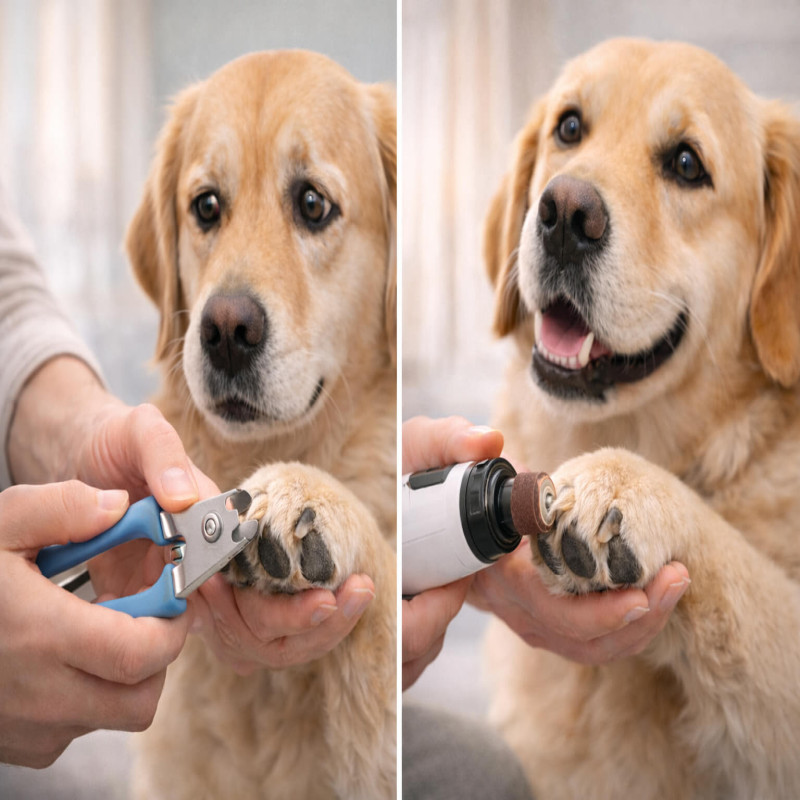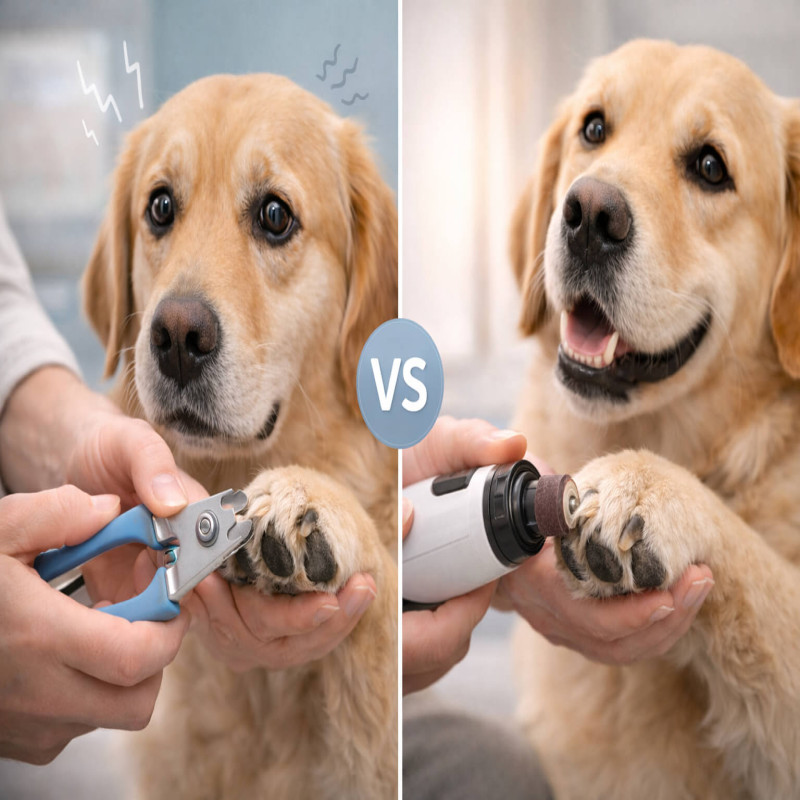


Maintaining your dog’s nails is essential for their overall health and comfort. Long or improperly trimmed nails can cause pain, posture issues, or even injuries. Among the available methods, pet owners often debate whether cutting or grinding is the better choice for nail care. This article explores the pros and cons of both techniques to help you decide what’s best for your furry friend.
Cutting Dog Nails: The Traditional Method
Cutting dog nails involves using specialized tools such as guillotine clippers or scissor-style clippers. Here are some of the key considerations for this method:
Benefits of Cutting
- Speed: Cutting is a quick process, especially for dogs with calm temperaments.
- Precision: It allows for precise removal of excess nail length.
- Readily Available Tools: Nail clippers are widely available and come in various sizes to suit different dog breeds.
- Cost-Effective: Clippers are inexpensive and last a long time with proper care.
Drawbacks of Cutting
- Risk of Injury: Cutting too close to the quick (the sensitive, blood-filled part of the nail) can cause pain and bleeding.
- Anxiety in Dogs: Some dogs may feel uneasy with the pressure and sound of clippers.
- Sharp Edges: After cutting, nails often have sharp edges that might require additional filing to smoothen.
Grinding Dog Nails: A Modern Alternative
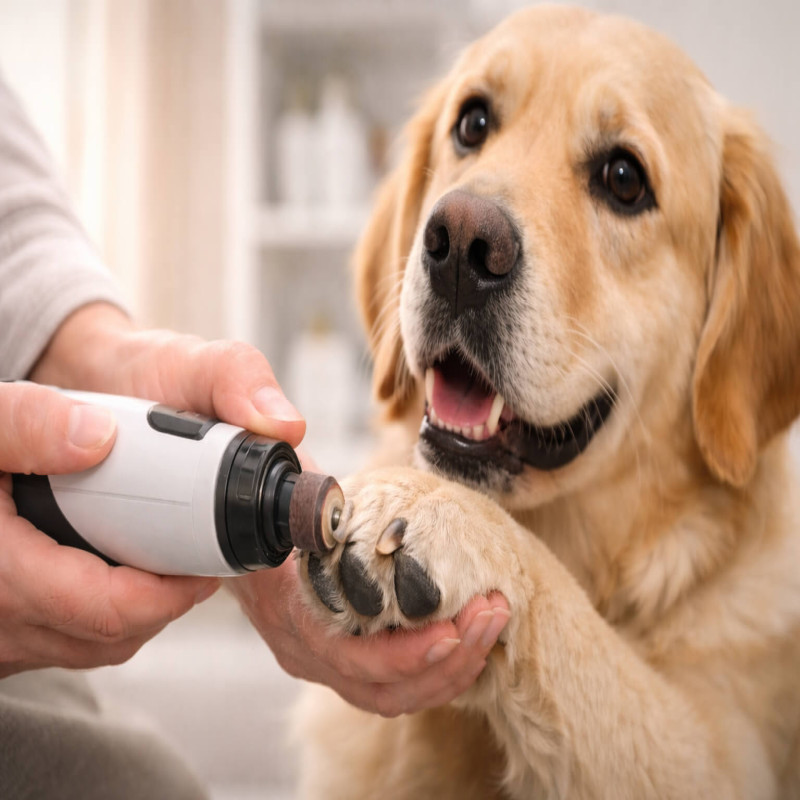
Grinding involves using a motorized tool with a sanding attachment to wear down the nail gradually. Let’s delve into the benefits and potential challenges:
Benefits of Grinding
- Smooth Finish: Grinding leaves nails rounded and smooth, reducing the risk of scratches.
- Control: The gradual removal of the nail allows for greater precision and reduces the likelihood of cutting the quick.
- Ideal for Thick Nails: For large breeds or dogs with thick nails, grinders are more effective than clippers.
Drawbacks of Grinding
- Time-Consuming: Grinding takes longer than cutting, which may test a dog’s patience.
- Noise Sensitivity: The motor’s sound may frighten some dogs, requiring desensitization training.
- Cost: High-quality grinders are pricier than clippers and may require frequent replacement of sanding bands.
Factors to Consider When Choosing Between Cutting and Grinding
- Dog’s Temperament: Nervous or fidgety dogs may respond better to the quieter and faster cutting method.
- Nail Type and Thickness: Thick, hard nails often benefit from grinding, while thin or brittle nails are easier to clip.
- Your Skill Level: If you’re a beginner, grinding may offer more control and reduce the risk of hitting the quick.
- Budget: Clippers are a more affordable option, but grinders provide additional benefits worth the investment for some pet owners.
Tips for Successful Dog Nail Maintenance
- Use High-Quality Tools: Invest in durable clippers or grinders designed for pets to ensure safety and effectiveness.
- Desensitize Your Dog: Introduce nail care tools gradually and reward your dog with treats to build positive associations.
- Know the Nail Anatomy: Understanding where the quick is located helps you avoid causing pain or bleeding.
- Set a Routine: Regular nail trims every 3-4 weeks help maintain the ideal length and prevent overgrowth.
Balancing Cutting and Grinding
In some cases, a combination of both methods works best. Start by clipping to reduce nail length, followed by grinding to smooth out edges and refine the shape. This approach leverages the benefits of each technique while minimizing their drawbacks.
Meet Your Guide

Go Soundproof Team
The Go Soundproof Team is a group of soundproofing enthusiasts and product testers dedicated to helping you create quieter, more peaceful spaces. We review and test the latest quiet appliances and noise-reducing solutions to provide honest, expert advice you can trust.