

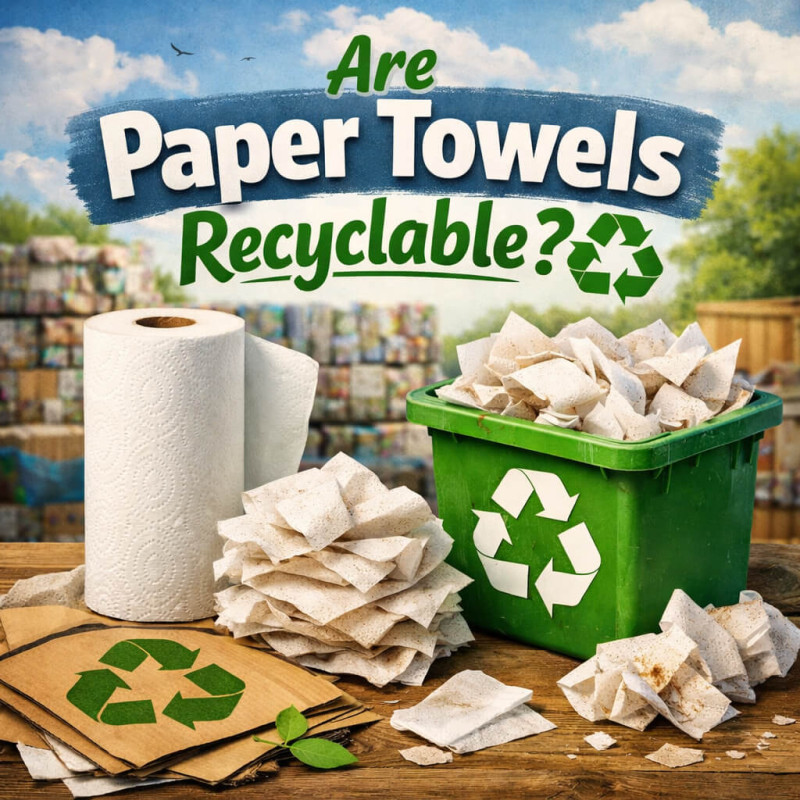
Paper towels are a common household item used daily for cleaning, wiping spills, and maintaining hygiene. However, many people wonder if they can be recycled like other paper products. The answer isn’t as straightforward as one might hope. While paper towels are made from paper, their recyclability is significantly impacted by their usage, contamination, and the fibers they contain. Understanding the environmental impact of paper towels and exploring alternative solutions can help in making eco-conscious choices.
Key Takeaways
- Paper towels are generally not recyclable due to contamination and fiber quality.
- Composting is a viable alternative to disposing of used paper towels.
- Reusable cloths and biodegradable options provide eco-friendly solutions.
- Reducing paper towel usage can significantly lower environmental impact.
Why Paper Towels Are Not Recyclable
Despite being made from paper, paper towels do not fit into the typical recycling process. One primary reason is contamination. Used paper towels often contain food, grease, cleaning chemicals, or bodily fluids, making them unsuitable for recycling. Recycling facilities cannot process contaminated materials, as they can compromise entire batches of recycled paper.
Another significant factor is fiber degradation. Paper towels are produced using short fibers, which have already undergone multiple rounds of recycling. These weakened fibers cannot be reused to create new paper products, making them unsuitable for standard recycling bins. Unlike cardboard or office paper, which retain longer fibers, paper towels lack the structural integrity to be processed into new materials.
Additionally, some paper towels contain additives such as dyes, fragrances, or synthetic reinforcements that further hinder their recyclability. Even if they are clean, the presence of these materials prevents them from being reprocessed into new paper products.
The Environmental Impact of Paper Towels
Paper towels contribute significantly to environmental waste due to their single-use nature. Manufacturing paper towels involves the harvesting of trees, water consumption, and chemical treatments. The demand for disposable paper products accelerates deforestation and increases carbon emissions associated with transportation and production.
Landfills receive millions of tons of paper towel waste annually. Because paper towels decompose quickly, they produce methane, a potent greenhouse gas that contributes to climate change. Unlike recyclable materials that can be repurposed, paper towels often end up as waste, further exacerbating environmental concerns.
Moreover, bleaching and chemical processing used in paper towel production release pollutants into water systems. Even compostable or biodegradable paper towels can still have a negative impact if they are not disposed of properly in composting facilities rather than landfills.
Composting: A Better Alternative to Recycling
Although paper towels cannot be recycled, they can often be composted under the right conditions. Unbleached, dye-free, and chemical-free paper towels are ideal for composting. If used with food scraps, they can be composted in home composting bins, helping to enrich soil and reduce landfill waste.
However, it is important to avoid composting paper towels contaminated with harmful substances such as cleaning chemicals, oils, or pathogens. Industrial composting facilities may be better equipped to handle certain types of waste, ensuring proper decomposition without environmental harm.
By composting paper towels, organic waste is converted into nutrient-rich soil, reducing methane emissions and contributing to a more sustainable waste management system.
Sustainable Alternatives to Paper Towels
Reducing reliance on disposable paper towels is one of the most effective ways to minimize waste. Several eco-friendly alternatives can replace paper towels without compromising convenience.
One of the best options is reusable cloth towels or microfiber cloths. These can be washed and reused multiple times, significantly reducing the need for disposable products. Cotton dish towels or bamboo cloths are highly absorbent and durable, making them excellent substitutes.
Another alternative is using biodegradable bamboo paper towels. Unlike traditional paper towels, bamboo options are more sustainable due to bamboo’s rapid growth cycle and minimal environmental impact. Some brands offer reusable bamboo paper towels that can be washed and reused multiple times.
Air drying and using sponges for cleaning tasks can also replace the need for paper towels. Sponges and cellulose-based cleaning cloths offer absorbency and durability while being more sustainable than single-use paper towels.
Conclusion
While paper towels are convenient, their environmental impact makes them a less sustainable choice. Since they cannot be recycled due to contamination and fiber degradation, alternatives such as composting or switching to reusable cloths can help reduce waste. Making small changes in daily habits, such as using fewer disposable paper towels or opting for compostable alternatives, can collectively make a significant difference in sustainability efforts. By being mindful of disposal methods and choosing eco-friendly products, individuals can contribute to a healthier planet while maintaining cleanliness and convenience in their homes.