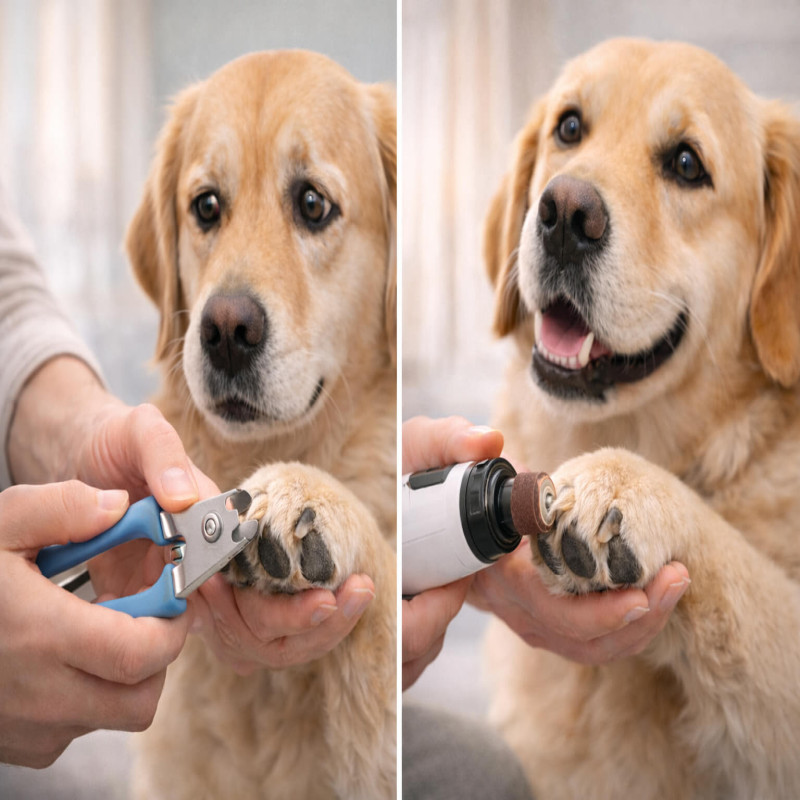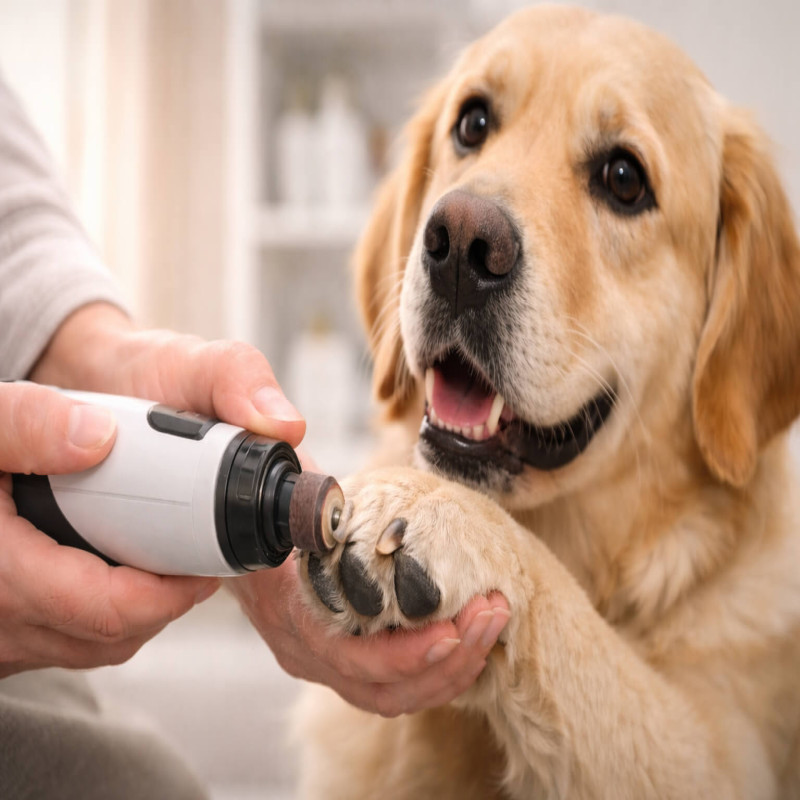


Keeping your dog’s nails at the right length is essential for their comfort, mobility, and overall health. If you're wondering "how far to grind dog nails," this guide will help you understand the process and best practices to ensure your pet stays happy and healthy.
Why Nail Maintenance Is Important for Dogs
Proper nail care is more than just cosmetic; it’s a necessity for your dog’s well-being. Overgrown nails can lead to discomfort, pain, and even injury. When nails are too long, they can:
- Cause difficulty in walking, altering your dog’s posture.
- Lead to joint stress and mobility issues.
- Risk breaking, splitting, or becoming ingrown, which can result in infections.
Regular grinding or trimming is the solution, but knowing how far to go is critical.
Anatomy of a Dog’s Nail
Understanding your dog’s nail structure will help you identify how far to grind without causing harm. Each nail consists of:
- The Shell: The hard outer part of the nail.
- The Quick: The pinkish area inside the nail that contains blood vessels and nerves. This is the sensitive part you must avoid cutting or grinding.
For dogs with black nails, locating the quick can be challenging. Observing the nail’s underside and grinding gradually are the safest approaches.
Tools for Grinding Dog Nails
Using the right tools ensures the process is smooth and safe. Common tools include:
- Electric Nail Grinders: These provide precision and are less likely to crack nails compared to clippers.
- Clippers: Traditional but effective, especially for dogs accustomed to nail trimming.
- Styptic Powder: Essential in case of accidental grinding into the quick, as it helps stop bleeding.
How Far Should You Grind?
The goal is to grind close to the quick without reaching it. For clarity:
- White Nails: Stop grinding when you see a pink hue under the shell.
- Black Nails: Stop when the center of the nail appears chalky or when you notice a small dark circle at the center of the freshly ground surface.
Step-by-Step Guide to Grinding Dog Nails
Prepare the Environment
- Choose a quiet, well-lit space.
- Gather all tools, including the grinder, styptic powder, and treats.
Position Your Dog Comfortably
- Make sure your dog feels secure. Use a non-slip mat or have someone assist in holding them gently.
Begin Grinding
- Hold the paw firmly but gently.
- Grind in short bursts to avoid heat buildup.
- Start from the tip of the nail and work your way inward gradually.
Monitor Progress
- Check for signs of the quick, especially with darker nails.
- Stop once you’re close but before reaching the quick.
Reward Your Dog
- Offer treats or praise to reinforce positive behavior.
Common Mistakes to Avoid
- Grinding Too Quickly: This can generate heat and cause discomfort.
- Ignoring the Quick: Accidentally hitting the quick can be painful and lead to bleeding.
- Skipping Regular Maintenance: Long gaps between sessions can make the quick grow longer, reducing how much you can safely grind.
Frequency of Nail Grinding
How often you should grind depends on your dog’s lifestyle and nail growth rate. Active dogs that frequently walk on hard surfaces may require less frequent grinding than indoor or sedentary dogs. Generally, aim for every 2-4 weeks.
Conclusion
Grinding your dog’s nails to the right length is a skill that takes time and patience to master. You can keep your dog's nails healthy and comfortable with the right tools, understanding of nail anatomy, and regular practice. Always prioritize your dog’s comfort and reward their cooperation to make the experience positive for both of you.
Meet Your Guide

Go Soundproof Team
The Go Soundproof Team is a group of soundproofing enthusiasts and product testers dedicated to helping you create quieter, more peaceful spaces. We review and test the latest quiet appliances and noise-reducing solutions to provide honest, expert advice you can trust.