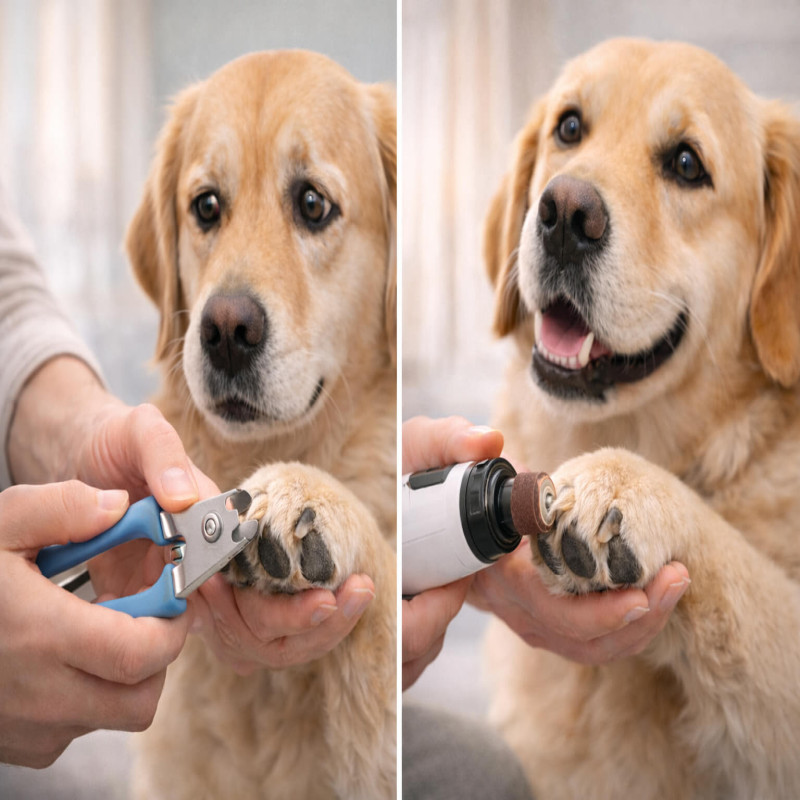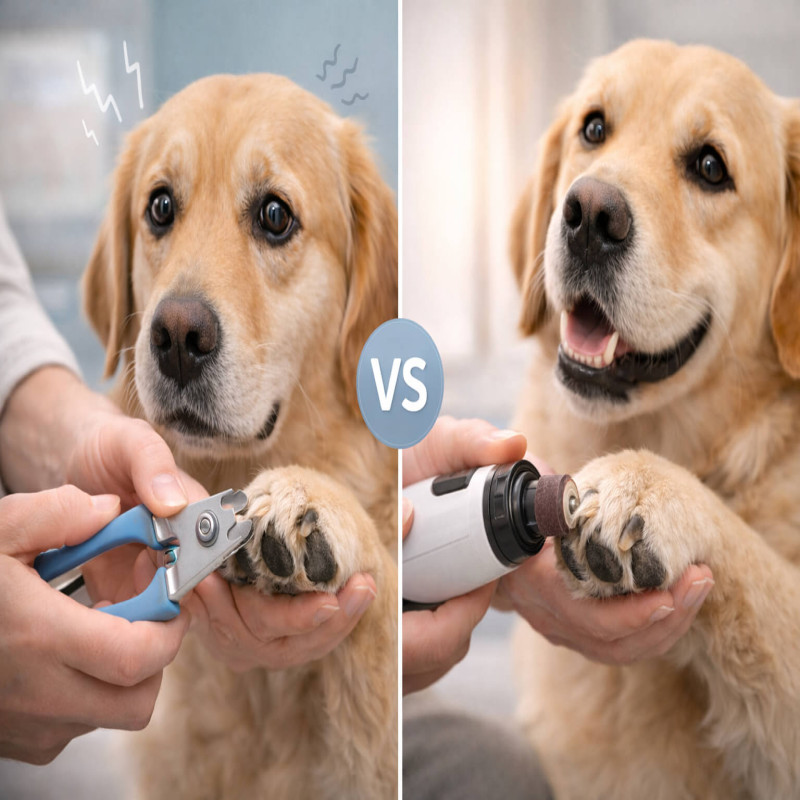

Caring for your dog's nails is essential to their overall health and comfort. One common question pet owners ask is whether grinding dog nails is a better alternative to clipping. This article explores the pros and cons of grinding, how it compares to clipping, and practical tips for getting started.
Why Proper Nail Maintenance is Crucial for Dogs
Keeping your dog's nails at the right length prevents discomfort, joint issues, and even injuries. Overgrown nails can lead to difficulties in walking or standing, potentially causing long-term orthopedic problems. Proper nail maintenance also reduces the risk of scratches and protects your floors and furniture.
The Basics of Grinding Dog Nails
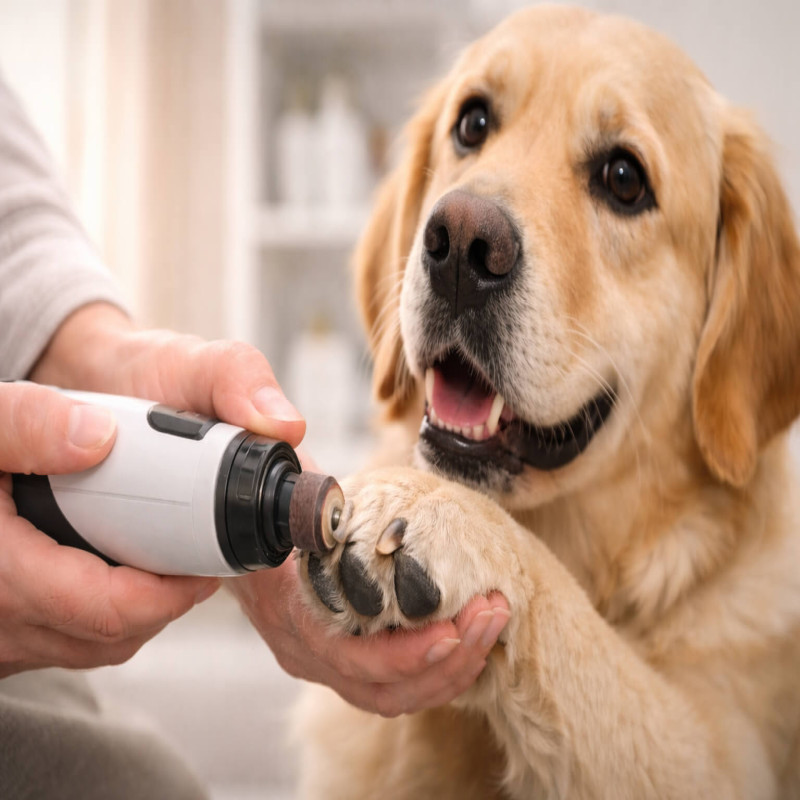
Grinding involves using a rotary tool, such as a Dremel, to gently file down a dog's nails. Unlike traditional nail clippers, grinders offer a more gradual approach to trimming, making them a preferred choice for many pet owners.
Benefits of Grinding Dog Nails
- Smooth Edges: Grinding leaves nails with smooth edges, reducing the chance of accidental scratches.
- Greater Precision: The gradual process allows for better control, making it easier to avoid cutting into the quick (the sensitive part of the nail).
- Ideal for Thick Nails: Dogs with large, thick nails often benefit from grinding, as clippers may struggle to cut cleanly.
Drawbacks of Grinding Dog Nails
- Noise Sensitivity: The sound of the grinder can be unsettling for some dogs.
- Learning Curve: Grinding requires some practice to achieve the best results.
- Heat Build-Up: Prolonged grinding on one spot can generate heat, which may cause discomfort to your dog.
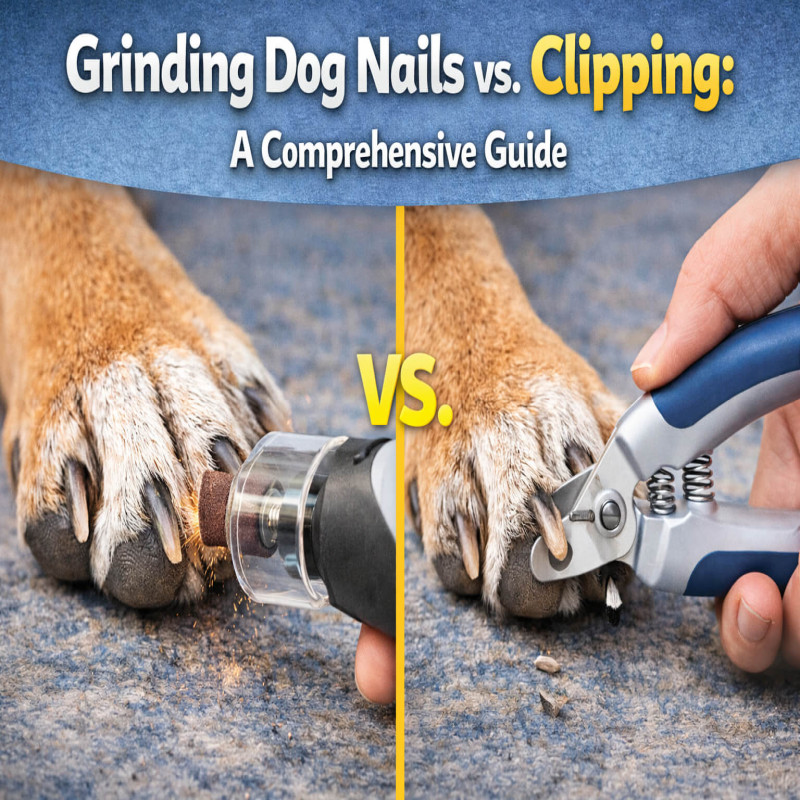
Grinding vs. Clipping: A Detailed Comparison
Safety
- Grinding: Provides better visibility and control, reducing the likelihood of hitting the quick.
- Clipping: Quick but has a higher risk of accidentally cutting too far.
Suitability for Different Dogs
- Grinding: Excellent for nervous dogs or those with thick, tough nails.
- Clipping: Suitable for dogs accustomed to the process and with thinner nails.
Time Commitment
- Grinding: Takes longer but offers a more precise result.
- Clipping: Quicker but may require filing afterward to smooth rough edges.
Tools Needed for Grinding Dog Nails
Dog Nail Grinder
A high-quality, pet-specific grinder is essential. Look for tools with variable speeds, a quiet motor, and safety guards.
Styptic Powder
Keep styptic powder on hand in case of accidental contact with the quick. This product helps stop bleeding quickly.
Treats and Rewards
Positive reinforcement can make the process less stressful for your dog. Use treats and praise to reward good behavior.
Step-by-Step Guide to Grinding Dog Nails
- Prepare Your Dog: Ensure your dog is calm and comfortable before starting. Choose a quiet space free from distractions.
- Inspect the Nails: Check for cracks or splits that may require attention. If the nails are dirty, clean them before grinding.
- Start Slowly: Turn on the grinder and let your dog get used to the sound. Begin with short sessions to build their confidence.
- Work in Short Bursts: Grind each nail in brief intervals to prevent heat build-up. Focus on rounding the edges for a smooth finish.
- Monitor Your Dog: Watch for signs of discomfort or anxiety. Pause if your dog becomes distressed.
- Reward and Repeat: After completing the session, reward your dog with treats and affection.
Tips for a Successful Nail Grinding Experience
- Choose the Right Time: Opt for a time when your dog is naturally calm, such as after a walk or meal.
- Trim Fur Around the Paws: Excess fur can get caught in the grinder, so trim it beforehand.
- Stay Consistent: Regular nail care prevents overgrowth and helps your dog stay comfortable with the process.
- Practice Patience: Some dogs take time to adapt to grinding. Stay patient and persistent.
Common Mistakes to Avoid
- Rushing the Process: Taking your time ensures better results and a stress-free experience for your dog.
- Neglecting the Quick: Always monitor the nail’s length to avoid cutting too close to the quick.
- Skipping Regular Maintenance: Infrequent sessions make the process harder and less comfortable for your dog.
Conclusion
Grinding dog nails is a safe and effective alternative to clipping, offering smoother results and greater precision. With the right tools and techniques, you can keep your dog’s nails healthy and maintain their overall comfort. Whether you’re a seasoned pet owner or new to grooming, grinding is worth considering for stress-free nail care.
Frequently Asked Questions
Is grinding better than clipping?
Grinding is ideal for precision and smooth edges, while clipping is faster but riskier. The choice depends on your dog’s needs and your comfort level.
How often should I grind my dog’s nails?
Most dogs require nail care every 3-4 weeks, but this varies based on their activity level and nail growth rate.
What if my dog hates the grinder?
Introduce the grinder gradually, using treats and positive reinforcement. If your dog remains anxious, consult a professional groomer or veterinarian.
Meet Your Guide

Go Soundproof Team
The Go Soundproof Team is a group of soundproofing enthusiasts and product testers dedicated to helping you create quieter, more peaceful spaces. We review and test the latest quiet appliances and noise-reducing solutions to provide honest, expert advice you can trust.