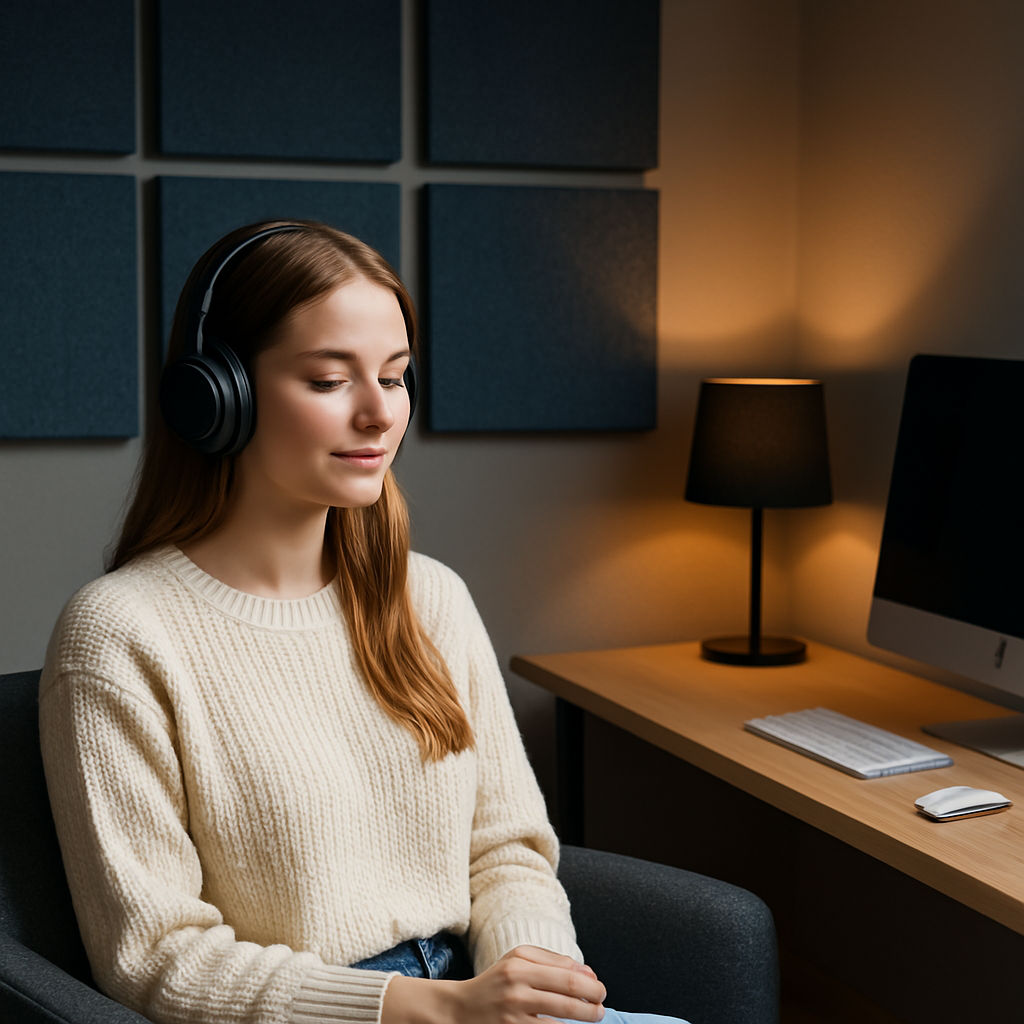

Do you often find yourself struggling to concentrate because of external noise?
Or do you simply want to create a more peaceful environment at home? If so, using sound-absorbing materials can help.
In this blog post, we'll explore 10 materials that can absorb sound and create a more peaceful home environment.
Recommended reading:Silence is Golden: Exploring the World of Sound Absorbing Materials
1The Importance of Reducing Noise in the Home
Noise pollution can be a significant problem in many households. It can make it difficult to concentrate on work or study, cause sleep disturbances, and even lead to stress and anxiety.
In fact, according to the World Health Organization (WHO), environmental noise is the second-largest environmental cause of health problems after air pollution.
Using sound-absorbing materials is an effective way to reduce noise pollution in your home.
By absorbing sound, these materials can help create a quieter and more peaceful environment, allowing you to focus on work, relax, or get a good night's sleep.
2What Are Sound-Absorbing Materials?
Sound-absorbing materials are materials that are designed to reduce the amount of sound that is reflected off surfaces.
When sound waves hit a surface, they can either be absorbed, transmitted, or reflected.
Sound-absorbing materials are designed to absorb sound waves, reducing the amount of noise in a room.
There are many different types of sound-absorbing materials, including porous materials like foam or fiberglass, dense materials like rubber or cork, and composite materials like mineral wool.
The choice of material will depend on factors like the level of noise you want to absorb, the size and shape of the room, and the aesthetics of the space.
3Benefits of Using Sound-Absorbing Materials
Using sound-absorbing materials can have many benefits.
Here are just a few:
- Improved quality of life
By reducing noise pollution, sound-absorbing materials can help create a more peaceful environment at home, leading to a better quality of life.
- Better sleep and relaxation
Sound-absorbing materials can help create a quieter environment, making it easier to sleep and relax at home.
- Reduced stress and anxiety
Exposure to high levels of noise can lead to stress and anxiety. By reducing noise pollution, sound-absorbing materials can help reduce these negative effects.
4Top 10 Materials That Absorb Sound
Now that we've explored the benefits of using sound-absorbing materials, let's take a closer look at the top 10 materials you can use to create a more peaceful home.
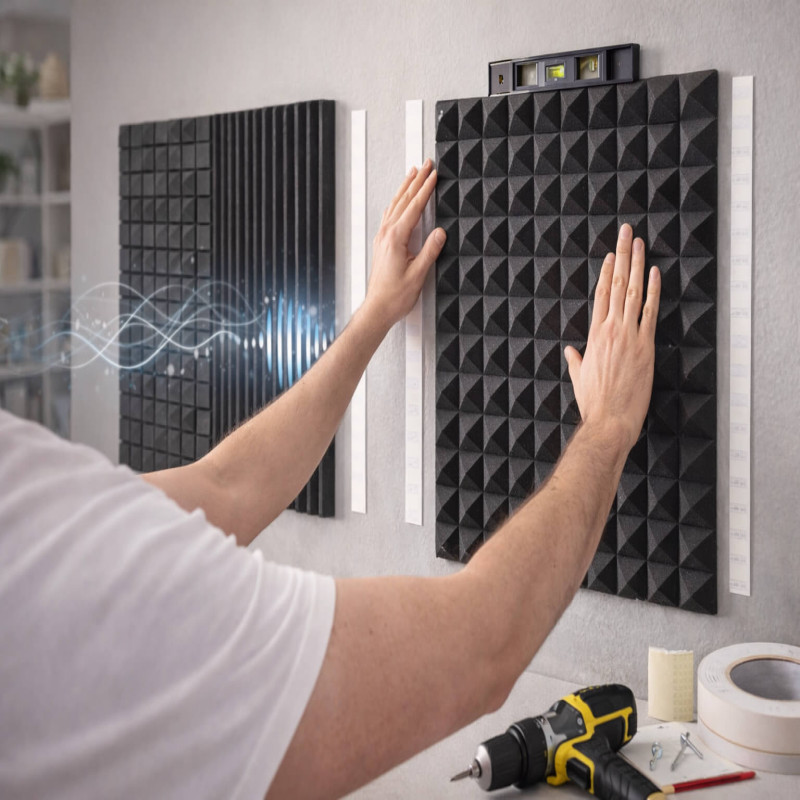
Acoustic foam
Acoustic foam is a popular sound-absorbing material that is often used in recording studios and home theaters. It is made from polyurethane foam and is designed to absorb sound waves at mid and high frequencies.
Mineral wool
Mineral wool is a type of insulation made from spun rock or slag. It is commonly used as a sound-absorbing material in walls and ceilings.
Fiberglass
Fiberglass is a type of insulation that is often used to absorb sound in walls and ceilings. It is made from glass fibers and is an affordable and effective sound-absorbing material.
Cork
Cork is a dense, lightweight material that is often used as a sound-absorbing flooring material. It can also be used as a wall covering or ceiling tile.
Rubber
Rubber is a dense material that is often used as a sound-absorbing material in flooring or walls. It is effective
Mass-loaded vinyl
Mass-loaded vinyl is a dense, flexible material that is often used to create sound barriers in walls and ceilings. It is effective at reducing low-frequency noise and is commonly used in apartments and shared spaces.
Polyester panels
Polyester panels are lightweight and flexible sound-absorbing materials that are often used in home theaters and music studios. They are effective at absorbing mid and high frequencies.
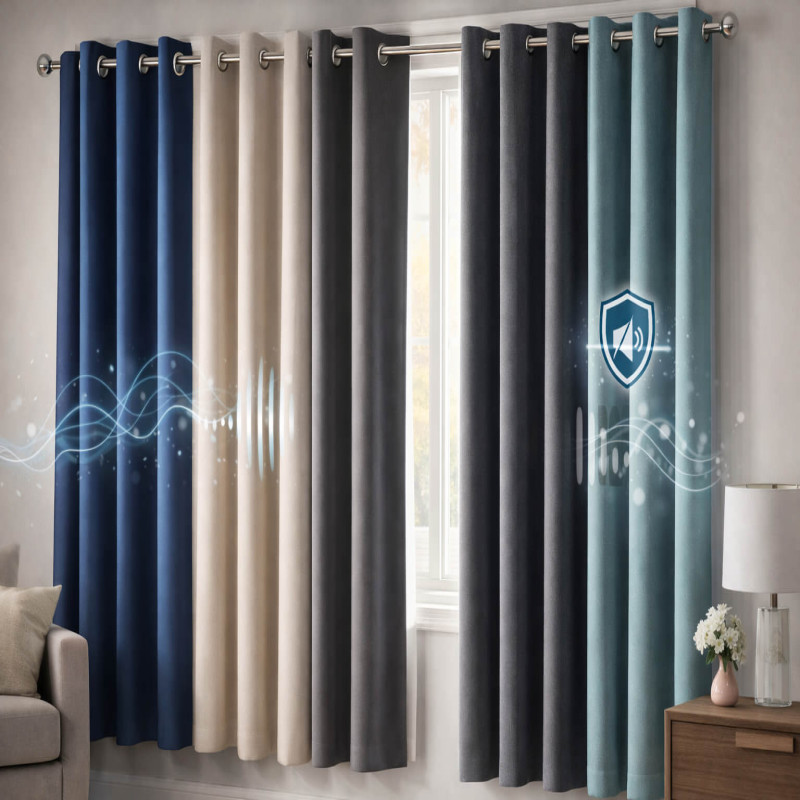
Natural fibers
Natural fibers like wool, cotton, and linen are effective at absorbing sound and are often used in curtains or wall hangings. They can also add a decorative touch to a room.
Bookshelves
Bookshelves filled with books can act as effective sound absorbers, particularly in smaller rooms. The books absorb sound waves and help to reduce noise levels.
Plants
Indoor plants can help to absorb sound by reflecting and diffusing sound waves. They also add a decorative touch to a room and can improve air quality.
5Tips for Using Sound-Absorbing Materials
When using sound-absorbing materials in your home, here are some tips to keep in mind:
- Choose the right material for the job: The type of sound-absorbing material you choose will depend on the specific noise problem you are trying to solve.
- Place materials strategically: Sound-absorbing materials should be placed strategically in the room to maximize their effectiveness.
- Cover as much surface area as possible: The more surface area you cover with sound-absorbing materials, the more effective they will be at reducing noise levels.
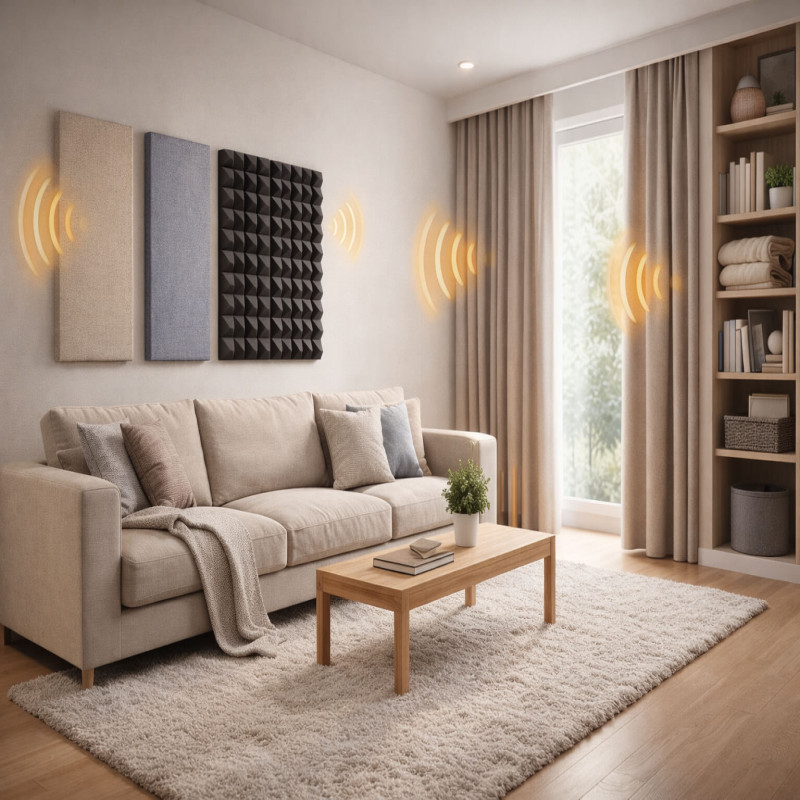
- Use multiple types of materials: Combining multiple types of sound-absorbing materials can be more effective than using a single material.
- Consider aesthetics: Sound-absorbing materials can come in a range of colors and textures, so consider how they will fit in with the overall look of your space.
6Conclusion
Sound pollution is a common problem that can have negative effects on our physical and mental health.
However, there are several materials available that can help to absorb sound and create a more peaceful home environment.
Whether you choose to use acoustic foam panels, cork, or plants, selecting the right material for your needs can make a big difference in reducing noise levels and improving your quality of life.
By following the tips for using sound-absorbing materials, you can ensure that you are using them to their fullest potential.
This includes strategically placing them in the room, covering as much surface area as possible, and using multiple types of materials.
Additionally, by considering aesthetics and choosing materials that fit with your decor, you can create a harmonious and pleasing home environment.
Overall, with the right materials and tips for using them, you can create a more peaceful home environment and reduce the negative effects of sound pollution on your health and wellbeing.
So why not try incorporating some of these materials into your home today and experience the benefits for yourself?
7Faqs
What are the best materials for absorbing sound in a home?
The best materials for absorbing sound in a home include acoustic foam panels, cork, carpets, rugs, curtains, bookcases, plants, sound-absorbing wallpaper, and soundproof windows.
How do sound-absorbing materials work?
Sound-absorbing materials work by reducing sound reflections and reverberations in a room. They are designed to trap sound waves and prevent them from bouncing off hard surfaces, thus reducing noise levels.
How do I use sound-absorbing materials in my home?
To use sound-absorbing materials in your home, you should strategically place them in the room, cover as much surface area as possible, and use multiple types of materials. Additionally, consider aesthetics and choose materials that fit with your decor.
Can sound-absorbing materials completely eliminate noise in a room?
No, sound-absorbing materials cannot completely eliminate noise in a room. However, they can significantly reduce noise levels and create a more peaceful home environment.
References:
Centers for Disease Control and Prevention (CDC)
Meet Your Guide

Go Soundproof Team
The Go Soundproof Team is a group of soundproofing enthusiasts and product testers dedicated to helping you create quieter, more peaceful spaces. We review and test the latest quiet appliances and noise-reducing solutions to provide honest, expert advice you can trust.