
Towels are an essential part of everyday life, providing comfort and hygiene. However, frequent use and improper washing can cause them to become rough, lose absorbency, or develop unpleasant odors. Vinegar, a natural and cost-effective solution, is a game-changer for keeping towels fresh and soft. In this guide, we explore how vinegar can enhance your laundry routine and restore your towels to their original plushness.
Key Takeaways
- Vinegar helps remove detergent residue, making towels more absorbent.
- It naturally eliminates odors without harsh chemicals.
- Washing towels with vinegar prevents fabric stiffness and extends their lifespan.
- Proper washing techniques ensure freshness and cleanliness.
Why Vinegar is Effective for Washing Towels
Vinegar is an all-natural ingredient with multiple benefits when it comes to washing towels. Its acidic nature breaks down detergent buildup, which often accumulates over time and reduces towel absorbency. Unlike conventional fabric softeners that coat fibers and diminish absorption, vinegar works by dissolving unwanted residues while preserving the integrity of the fabric. Additionally, it neutralizes odors caused by bacteria and mildew, ensuring towels smell fresh after each wash.
Another advantage of using vinegar is its ability to prevent color fading and fabric degradation. Traditional laundry products may contain harsh chemicals that weaken towel fibers, leading to faster wear and tear. With vinegar, the gentle acidity maintains fabric softness without causing damage. This makes it an ideal choice for maintaining the quality of towels over an extended period.
How to Properly Wash Towels with Vinegar
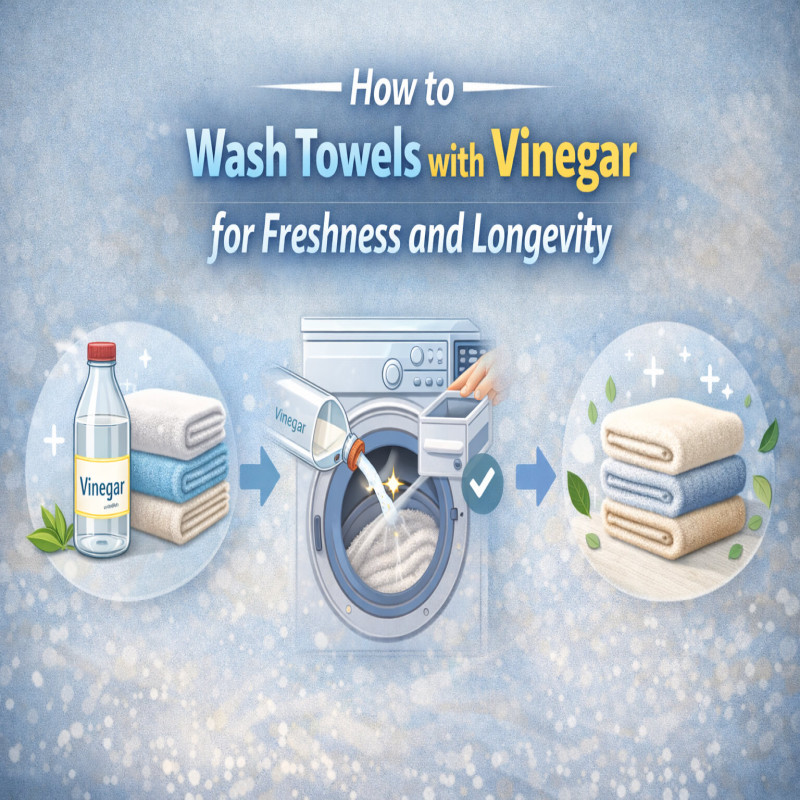
To achieve the best results, follow these steps for washing towels with vinegar. First, start by separating towels from other laundry items to prevent lint transfer and ensure even cleaning. Load them into the washing machine without overfilling, as overcrowding can hinder proper rinsing.
Instead of using traditional detergent in the first wash cycle, pour one cup of distilled white vinegar directly into the machine’s drum. This process helps break down any lingering detergent or fabric softener residue. Select a hot water cycle, as higher temperatures are effective in loosening buildup and eliminating bacteria. Once the cycle completes, run a second wash using half the amount of your usual mild detergent. This ensures any remaining vinegar scent is rinsed out, leaving towels clean and refreshed.
Drying towels properly is just as crucial as washing them correctly. Opt for medium heat in the dryer to prevent overheating, which can cause fibers to stiffen over time. Adding dryer balls can also enhance fluffiness by minimizing static and allowing air to circulate more efficiently. If possible, line-drying towels outside in sunlight offers a natural way to eliminate bacteria and maintain freshness.
Common Mistakes to Avoid When Washing Towels with Vinegar
Although vinegar is highly beneficial, improper use can reduce its effectiveness. One common mistake is combining vinegar with detergent in the same cycle. The two substances can counteract each other, leading to less-than-optimal results. Instead, always use vinegar in a separate wash before introducing detergent.
Another frequent error is excessive vinegar usage. While vinegar is a natural solution, overusing it can weaken towel fibers over time. Stick to the recommended amount—one cup per load—to maintain the balance between cleaning power and fabric care.
Additionally, avoid using vinegar on towels made of specialty materials such as silk or microfiber, as the acidity may be too harsh for delicate fabrics. Always check the towel’s care label before incorporating vinegar into your laundry routine to ensure compatibility.
How Often Should You Wash Towels with Vinegar
The frequency of washing towels with vinegar depends on usage and laundry habits. For everyday bath towels, washing them with vinegar once every two to four weeks helps maintain absorbency and freshness. Towels that are frequently exposed to moisture, such as gym or kitchen towels, may benefit from vinegar washes more frequently—every one to two weeks.
In between vinegar washes, continue washing towels with a mild detergent to maintain cleanliness. Regular vinegar treatments prevent detergent buildup from accumulating, ensuring towels remain soft and odor-free with consistent use.
The Long-Term Benefits of Washing Towels with Vinegar
Incorporating vinegar into a towel-washing routine offers multiple long-term advantages. Over time, towels retain their plushness without becoming stiff or rough, reducing the need for fabric softeners. The natural deodorizing properties of vinegar eliminate persistent smells, ensuring towels always smell fresh after each use.
Furthermore, vinegar’s ability to break down detergent residues helps improve overall towel performance. Many people notice a significant difference in absorbency after switching to a vinegar-based washing routine. The towels dry faster, making them more efficient for daily use.
From an environmental standpoint, using vinegar as a cleaning agent reduces reliance on chemical-based softeners and detergents. This makes it an eco-friendly alternative that contributes to sustainable laundry practices. As an added benefit, vinegar is cost-effective, making it a budget-friendly option for long-term towel maintenance.
Conclusion
Washing towels with vinegar is a simple yet effective method to maintain softness, absorbency, and freshness. By following the correct techniques, avoiding common mistakes, and incorporating vinegar into your laundry routine strategically, you can extend the lifespan of your towels while keeping them in optimal condition. With its natural cleaning properties and affordability, vinegar proves to be an invaluable solution for preserving the quality of your towels effortlessly.
Meet Your Guide

Go Soundproof Team
The Go Soundproof Team is a group of soundproofing enthusiasts and product testers dedicated to helping you create quieter, more peaceful spaces. We review and test the latest quiet appliances and noise-reducing solutions to provide honest, expert advice you can trust.