
Non-stop use of towels over time leads to an inevitable problem—buildup. Soaps, detergents, fabric softeners, and even natural body oils accumulate within the fibers, reducing absorbency and leaving them stiff or musty. This is where towel stripping comes into play, an effective method to remove deep-seated residue and restore towels to their original plushness.
Key Takeaways
- Towel stripping is necessary to remove detergent, fabric softener, and mineral buildup.
- Using the right stripping solution restores softness and absorbency.
- Regular maintenance prevents the need for frequent stripping.
- Common laundry habits contribute to towel stiffness over time.
Understanding Towel Buildup and Why It Happens
Towels lose their fluffiness and absorbency over time due to accumulated detergent residues, hard water minerals, and body oils. Unlike everyday washing, which only removes surface dirt, these residues settle deep within the fabric fibers. The result? Towels that repel rather than absorb moisture, feel rough against the skin, and often develop an unpleasant odor.
Ignoring this buildup not only affects comfort but also shortens towel lifespan. Traditional washing methods fail to completely remove these residues, making periodic stripping essential. The process effectively breaks down the deposits, restoring the fibers to a like-new condition.
The Science Behind Towel Stripping
Towel stripping utilizes a deep-cleaning solution that dissolves accumulated detergent and mineral residues. This method is particularly effective for towels exposed to hard water, as mineral deposits create a stiff, scratchy texture.
A combination of washing soda, borax, and detergent works by breaking down stubborn deposits that regular laundry cycles leave behind. These ingredients alter the pH level of water, enhancing their ability to lift and extract residues embedded within the fabric. As a result, towels regain their softness, absorbency, and fresh scent.
Preparing for the Towel Stripping Process
Before starting, gathering the right materials ensures the best results. Using the correct stripping agents is essential to breaking down the buildup effectively. The most common stripping formula consists of three key components: washing soda, borax, and a high-quality laundry detergent.
Selecting the right towels for stripping is equally important. Older towels with excessive buildup benefit the most, while newer towels may not require frequent stripping. It's also crucial to ensure towels are clean before beginning the process. Washing them in hot water with minimal detergent beforehand removes surface-level grime, allowing the stripping solution to penetrate deeper.
Step-by-Step Guide to Stripping Towels
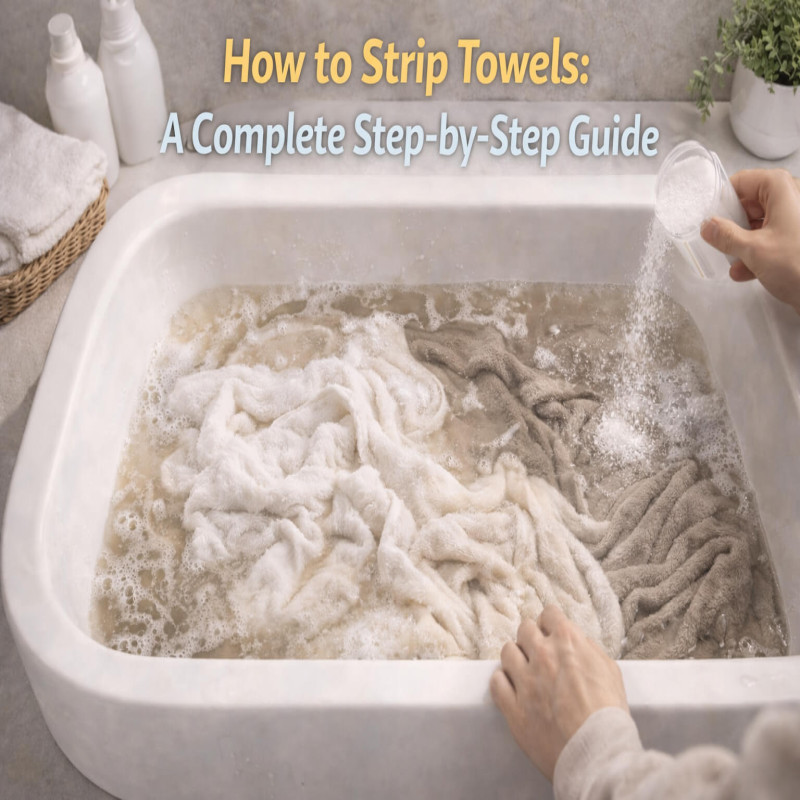
The stripping process involves fully submerging towels in a concentrated solution designed to break down and extract residue. To begin, fill a bathtub or large container with hot water and mix in the stripping solution. The recommended ratio is:
- 1/2 cup washing soda
- 1/2 cup borax
- 1 cup detergent
Once mixed, place the towels in the solution and allow them to soak for at least four to six hours, occasionally agitating to help loosen embedded residue. The water will often turn murky as the buildup is extracted. After soaking, thoroughly rinse the towels and wash them in a regular cycle without detergent. Finally, dry them naturally or on low heat to maintain softness.
The Role of Hard Water in Towel Residue Buildup
Hard water contains minerals such as calcium and magnesium that contribute to towel stiffness and reduced absorbency. Over time, these minerals bind with detergent residues, creating a stubborn layer that traps odors and prevents proper moisture absorption.
One way to counteract hard water effects is to use a water softener or add vinegar to laundry cycles. This helps break down mineral deposits and prevents further accumulation. Understanding the water quality in your area plays a crucial role in maintaining towel freshness and reducing the frequency of stripping.
Common Mistakes to Avoid When Stripping Towels
While towel stripping is an effective method, certain mistakes can hinder results. Using too much detergent during regular washes contributes to excessive buildup, requiring more frequent stripping. Similarly, fabric softeners should be avoided as they coat towel fibers, reducing their ability to absorb moisture.
Another common mistake is failing to rinse towels thoroughly after stripping. Any residual stripping solution left in the fabric can cause irritation and reduce softness. Additionally, drying towels on high heat can damage fibers, making them rough over time. Opting for low-heat drying or air drying helps maintain their plush texture.
How Often Should You Strip Towels
Towel stripping is not required after every wash but should be done periodically based on usage and washing habits. As a general guideline, towels should be stripped every three to six months, depending on the water quality and the amount of detergent used. Households with hard water may require more frequent stripping to counteract mineral buildup.
Implementing proper washing techniques, such as using minimal detergent and avoiding fabric softeners, reduces the need for frequent stripping. Regular maintenance ensures towels stay fresh, soft, and absorbent for a longer time.
Keeping Towels Fresh Without Frequent Stripping
Maintaining towel softness and absorbency between stripping sessions involves simple but effective practices. Using a minimal amount of detergent during washes prevents residue accumulation. Additionally, adding white vinegar to rinse cycles helps break down detergent remnants and keeps towels fresh.
Drying towels correctly also plays a significant role. Overdrying in high heat damages fibers, while insufficient drying can lead to mildew growth. Air drying or using a lower heat setting helps preserve the towel's integrity. Establishing these habits ensures towels remain in optimal condition without frequent deep-cleaning sessions.
Conclusion
Restoring towels to their original softness requires a deep-cleaning method like stripping. Over time, detergent buildup, mineral deposits, and body oils compromise their absorbency and texture. By following the correct stripping process and incorporating proper washing techniques, towels can maintain their plush feel and effectiveness for years to come. Adopting these best practices minimizes the need for frequent stripping while keeping towels fresh and luxurious with every use.
Meet Your Guide

Go Soundproof Team
The Go Soundproof Team is a group of soundproofing enthusiasts and product testers dedicated to helping you create quieter, more peaceful spaces. We review and test the latest quiet appliances and noise-reducing solutions to provide honest, expert advice you can trust.