
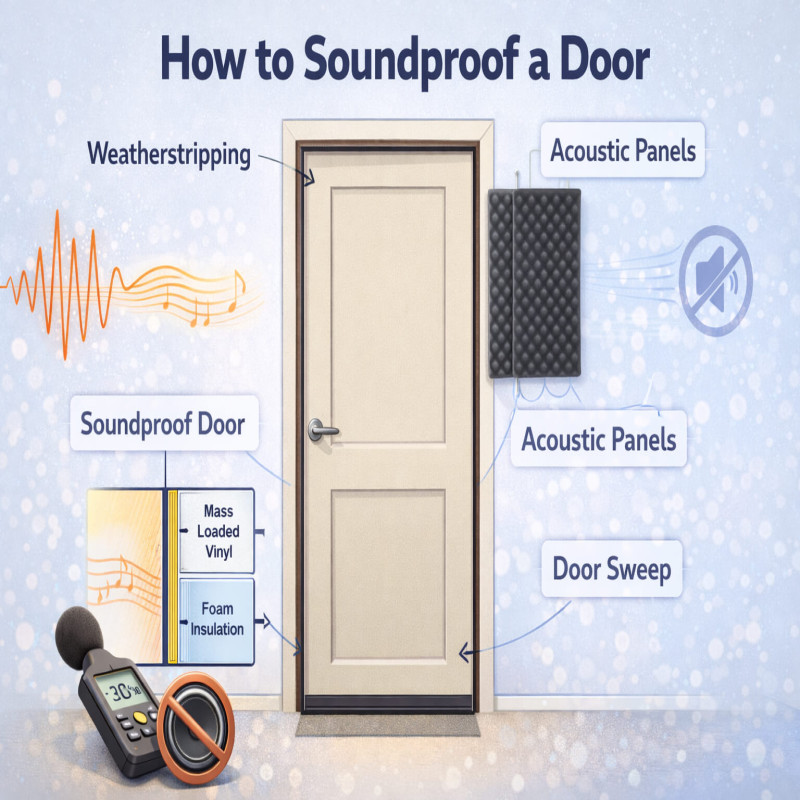
In today's fast-paced world, finding a peaceful sanctuary within your home is more important than ever. Noise pollution, whether from bustling streets, loud neighbors, or household activities, can significantly impact your quality of life. Excessive noise can lead to stress, poor sleep, and reduced concentration, making it essential to create a quiet space where you can relax and recharge. Soundproofing your door is a crucial step in minimizing noise and enhancing your home's tranquility.
This guide will walk you through the process of soundproofing a door, from basic techniques to advanced methods. Whether you're dealing with the constant hum of traffic or the occasional loud conversation, we'll provide you with practical solutions to reduce unwanted noise. So let's get started!
Understanding Soundproofing
Soundproofing is the process of reducing or eliminating the transmission of sound from one space to another. It involves using materials and techniques that either block sound waves or absorb them, preventing noise from passing through walls, doors, windows, and other barriers.
Understanding the basics of soundproofing can help you choose the most effective methods for your specific needs.
Why Soundproof a Door?
Doors are often the weakest points in a room’s sound barrier. Even if your walls are well-insulated, noise can easily enter through gaps around the door or the door itself if it is not designed to block sound.
By soundproofing your door, you can significantly reduce noise intrusion, creating a more peaceful and quiet environment inside your home.
How Sound Travels Through Doors
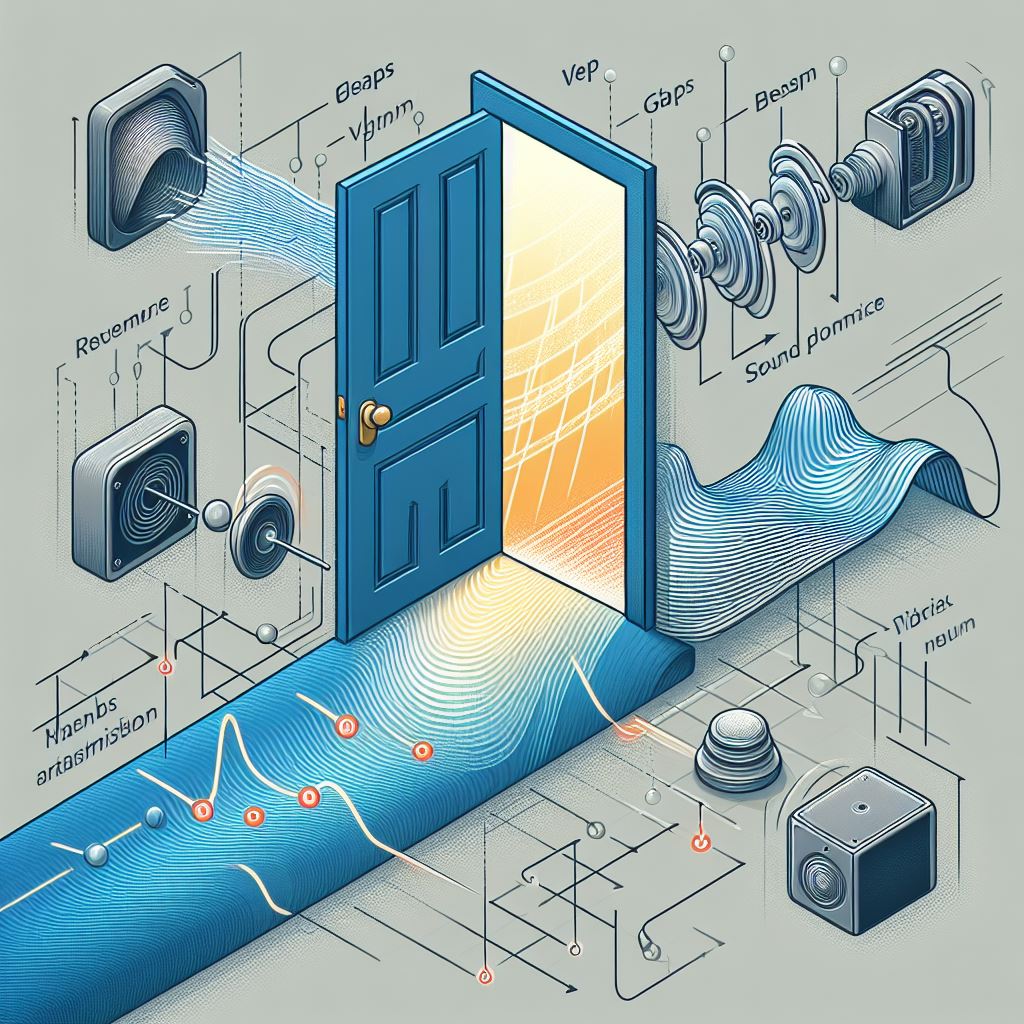
Sound waves travel through the air and can pass through any opening or gap. They can also cause materials to vibrate, which then transmits the sound to the other side. In the context of a door, sound can leak through the gap between the door and the frame, under the door, or through the door itself if it is made of a lightweight material.
Key Soundproofing Principles
- Mass: Heavier and denser materials block sound more effectively. Adding mass to a door can reduce the amount of sound that passes through it.
- Damping: Damping materials absorb sound waves, preventing them from traveling further. These materials help reduce vibrations and noise transmission.
- Decoupling: This involves creating a separation between two surfaces to prevent sound from traveling directly through them. For doors, this can mean using materials that create a barrier between the door and the frame.
- Sealing: Ensuring there are no gaps or cracks around the door is crucial. Even small openings can let through significant amounts of noise.
Benefits of Soundproofing a Door
Soundproofing a door enhances privacy and improves the overall comfort of your living space. It helps create a quiet environment for activities requiring concentration, such as studying or working from home.
Additionally, it can improve sleep quality by reducing noise disturbances at night. You contribute to a more peaceful and serene home atmosphere by taking steps to soundproof your door.
Assessing Your Door

Before you start soundproofing, it's essential to assess your door's current state and identify its weaknesses. This will help you choose the most appropriate soundproofing methods.
Identify the Type of Door
The first step is to determine whether your door is hollow-core or solid-core. Hollow-core doors are lighter and less expensive but offer poor sound insulation because they have an empty interior, making them less effective at blocking sound. Solid-core doors, on the other hand, are denser and more effective at reducing noise because they are filled with solid material, usually wood or composite.
Check for Gaps and Cracks
Inspect the door and its frame for any gaps or cracks where sound might be leaking through. Common problem areas include the gap at the bottom of the door, the space between the door and the frame, and any cracks or holes in the door itself. Even small gaps can significantly reduce the effectiveness of soundproofing efforts, so it’s crucial to identify and plan to seal these openings.
Evaluate the Door's Fit
A door that doesn’t fit well within its frame can be a major source of noise leakage. Ensure that your door fits snugly when closed. If there’s movement or rattling, it might indicate a poor fit, which can be addressed with weatherstripping or by adjusting the hinges.
Consider the Door’s Material and Thickness
The material and thickness of your door play a significant role in its ability to block sound. Thicker doors generally provide better sound insulation. Additionally, doors made from solid wood or other dense materials will be more effective at blocking noise than those made from lighter, less dense materials.
Assess the Surrounding Environment
Take note of the noise sources around the door. Is it facing a busy street, or is it an interior door within a relatively quiet home? The level of noise you’re trying to block will influence the soundproofing methods you choose.
For instance, doors exposed to high levels of external noise might require more intensive soundproofing techniques compared to those in quieter settings.
Basic Soundproofing Techniques
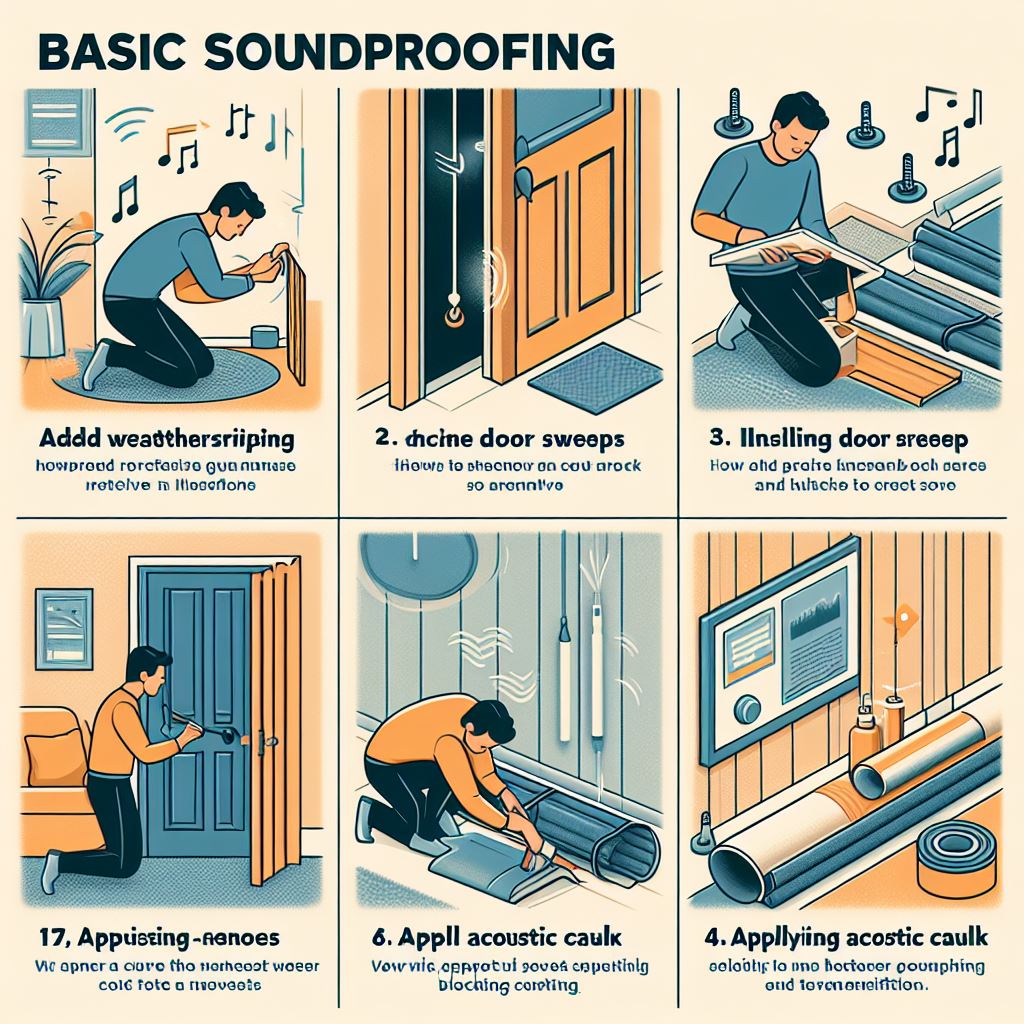
If you’re looking to start with basic soundproofing methods, here are a few cost-effective and straightforward solutions that can make a significant difference in reducing noise.
Weatherstripping
Weatherstripping involves sealing the gaps around your door to prevent sound from leaking through. This is an easy and inexpensive way to improve soundproofing.
There are various types of weatherstripping materials, such as adhesive-backed foam tape, V-strip, and door sweeps, which can be applied around the door frame to create a tight seal. Weatherstripping not only blocks noise but also helps in improving energy efficiency by sealing air leaks.
Door Sweeps
A door sweep is installed at the bottom of the door to block noise from seeping through the gap underneath. There are different types of door sweeps, including basic rubber sweeps and more advanced automatic door bottoms.
The latter features a mechanism that automatically seals the gap when the door is closed and lifts when the door is opened, providing a more effective sound barrier. Installing a door sweep is a simple DIY project that can greatly reduce noise transmission.
Threshold Seals
Adding a threshold seal can further reduce noise by sealing the space between the door and the floor. Threshold seals can be used in conjunction with door sweeps for optimal soundproofing.
They are available in various materials, including rubber and vinyl, and can be easily installed on the floor where the door meets the threshold.
This additional barrier helps to block sound waves from passing through the bottom of the door.
Acoustic Caulk
Acoustic caulk is a flexible, sound-absorbing sealant that can be used to seal gaps and cracks around the door frame. Unlike regular caulk, acoustic caulk remains flexible after drying, which helps it maintain its seal even with the door’s natural movement. Applying acoustic caulk around the edges of the door frame, particularly in any visible cracks or gaps, can significantly reduce noise transmission.
Soundproof Curtains or Blankets
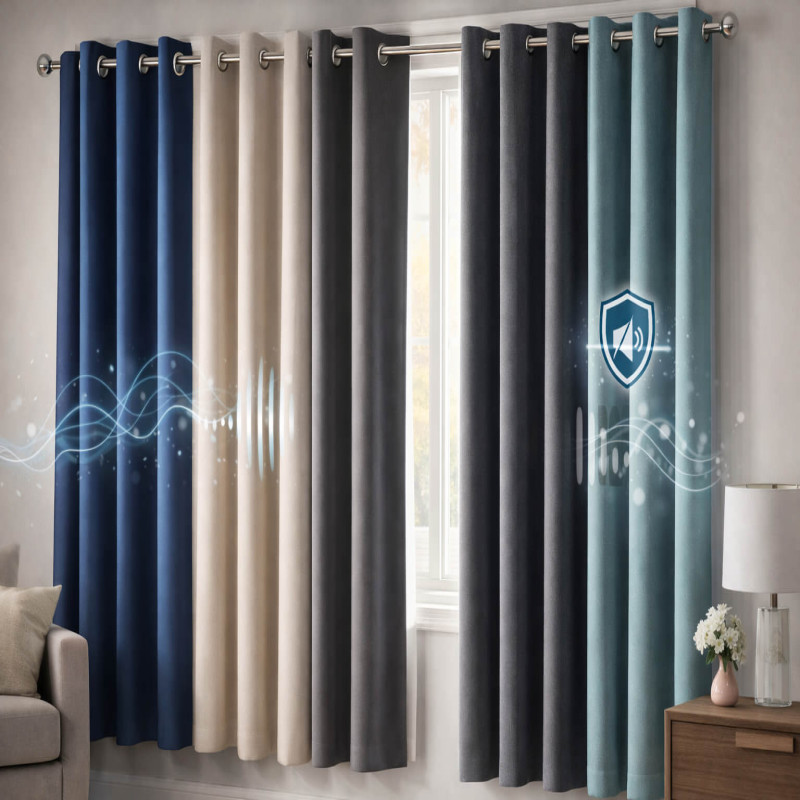
Hanging soundproof curtains or blankets over the door can provide an additional layer of noise reduction. These heavy, dense materials absorb sound waves, reducing the amount of noise that passes through the door.
Soundproof curtains and blankets are easy to install and can be removed when not needed, making them a versatile option for those looking to improve soundproofing without making permanent changes to the door.
Door Gaskets
Door gaskets are installed around the perimeter of the door to create an airtight seal. They are typically made of rubber or silicone and are highly effective in blocking sound.
Door gaskets can be used alongside weatherstripping and door sweeps for comprehensive soundproofing.
By creating a complete seal around the door, gaskets prevent sound from leaking through any remaining gaps.
These basic soundproofing techniques are easy to implement and can make a noticeable difference in reducing noise.
Advanced Soundproofing Methods
For those who need more robust solutions, advanced soundproofing methods can provide significant noise reduction. These techniques involve more substantial modifications and materials but offer greater effectiveness in creating a quiet environment.
Installing a Solid-Core Door
One of the most effective ways to soundproof a door is by replacing a hollow-core door with a solid-core door. Solid-core doors are made of dense materials that block sound more effectively. While this is a more expensive option, the difference in noise reduction can be substantial. Solid-core doors are particularly beneficial for rooms that require high levels of sound isolation, such as home offices, bedrooms, or media rooms.
Adding Mass Loaded Vinyl (MLV)
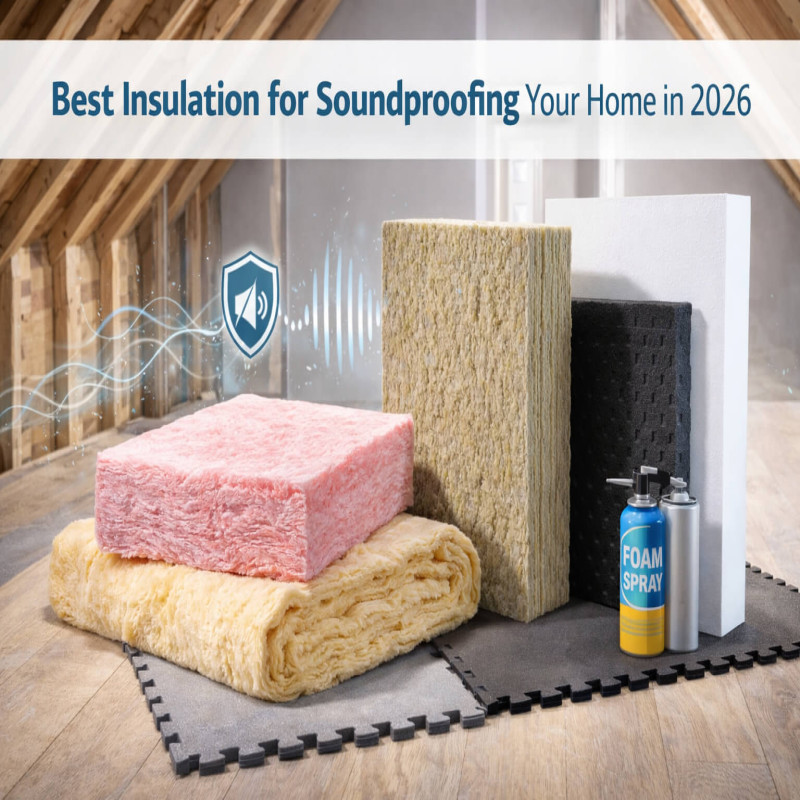
Mass-loaded vinyl is a dense, flexible material designed to block sound. It can be attached to the door or integrated within a door panel. MLV is particularly effective because it adds significant mass without adding too much thickness. This material can be cut to size and glued or stapled to the door, providing a substantial barrier to sound transmission. For even better results, MLV can be used in conjunction with other soundproofing materials.
Acoustic Panels
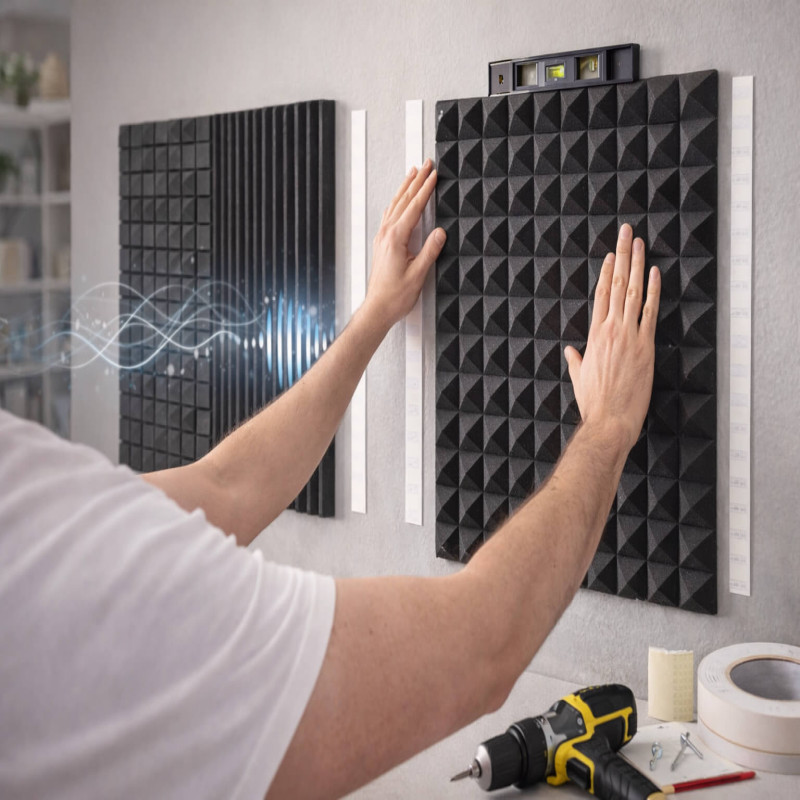
Acoustic panels are designed to absorb sound and reduce noise reflection within a room. These panels can be mounted directly on the door to improve sound insulation.
Acoustic panels come in various sizes, materials, and designs, allowing you to choose options that complement your decor while enhancing soundproofing. They are particularly effective in reducing echo and improving the overall acoustic quality of a space.
Door Seals and Perimeter Seals
High-quality door seals and perimeter seals provide a complete soundproofing solution by eliminating gaps around the door. These seals are typically made of silicone or rubber, which are excellent for blocking sound.
They are installed around the edges of the door frame and can work in tandem with door sweeps and thresholds to create a comprehensive seal. Automatic door bottoms, which lower a seal when the door is closed, can also be used for maximum effectiveness.
Double Doors
Installing a second door to create an air gap between two doors can significantly reduce sound transmission. This technique, known as decoupling, creates a barrier where sound waves lose energy as they pass through the gap.
Double doors are commonly used in professional recording studios and theaters but can also be implemented in homes for rooms requiring high levels of sound isolation. This method is more involved and may require professional installation.
Soundproof Door Kits
Soundproof door kits are comprehensive solutions that include all the necessary materials for soundproofing a door. These kits typically contain door sweeps, seals, gaskets, and sometimes additional layers like MLV. Purchasing a complete kit ensures that all components work together effectively, simplifying the installation process. These kits are designed to provide maximum noise reduction and are available for various door types, including residential, commercial, and industrial applications.
Resilient Channels and Sound Isolation Clips
For doors within walls that need soundproofing, using resilient channels and sound isolation clips can help. These components decouple the door frame from the wall, reducing the transmission of sound vibrations.
Resilient channels are metal strips that create a gap between the wall and the door frame, while isolation clips attach the channels to the wall, further minimizing sound transfer. This method is more complex and typically used in new constructions or major renovations.
DIY vs. Professional Help
When deciding whether to undertake soundproofing your door as a DIY project or to hire a professional, it's important to consider the complexity of the task, your skill level, and your budget. Both approaches have their advantages and drawbacks.
DIY Soundproofing
Advantages:
- Cost-Effective: One of the main benefits of DIY soundproofing is cost savings. By doing the work yourself, you avoid labor costs, which can be significant.
- Flexibility: DIY projects allow you to work at your own pace and on your schedule. This can be particularly useful if you have a busy lifestyle or if you need to soundproof multiple doors over time.
- Satisfaction: Completing a DIY project can be very satisfying. It provides a sense of accomplishment and the confidence that comes from learning new skills.
Challenges:
- Skill Level Required: Some soundproofing techniques can be complex and require a certain level of skill and knowledge. If you’re not confident in your abilities, you might not achieve the desired results.
- Time-Consuming: DIY projects can take a significant amount of time, especially if you’re learning as you go. This can be a disadvantage if you need the soundproofing done quickly.
- Tools and Materials: You may need to purchase specific tools and materials, which can add to the overall cost. Additionally, if you’re not familiar with these tools, there might be a learning curve.
Professional Help
Advantages:
- Expertise: Professionals have the experience and knowledge to complete the job efficiently and effectively. They understand the best materials and methods to use for different situations and can provide high-quality results.
- Time-Saving: Hiring a professional can save you a lot of time. They can complete the work much faster than someone without experience, and you won’t need to spend your own time on the project.
- Guarantees and Warranties: Many professionals offer guarantees or warranties on their work. This means that if something goes wrong, they will come back and fix it at no additional cost.
Challenges:
- Cost: The main disadvantage of hiring a professional is the cost. Professional soundproofing services can be expensive, particularly if the job is complex.
- Scheduling: You will need to coordinate with the professional’s schedule, which may not always align with your own. This can sometimes lead to delays.
- Less Control: When you hire someone else to do the work, you have less control over the process. While you can provide input and preferences, the final result is largely in the hands of the professional.
When to Choose DIY
- If the project is relatively simple and within your skill set.
- If you’re on a tight budget and need to minimize costs.
- If you enjoy DIY projects and have the time to dedicate to them.
When to Hire a Professional
- If the project is complex or requires specialized knowledge.
- If you want the highest quality results and are willing to pay for professional expertise.
- If you don’t have the time or inclination to do the work yourself.
Tips for Maximum Effectiveness
Achieving the best results from your soundproofing efforts requires attention to detail and a comprehensive approach.
Here are some tips to ensure maximum effectiveness in soundproofing your door:
Seal All Gaps and Cracks
Even small gaps and cracks around your door can allow a significant amount of noise to pass through. Use weatherstripping, door sweeps, and acoustic caulk to seal these gaps thoroughly. Pay special attention to the space at the bottom of the door and the edges where the door meets the frame. A tight seal is crucial for effective soundproofing.
Add Mass to the Door
Increasing the mass of the door helps to block more sound. If you have a hollow-core door, consider replacing it with a solid-core door. Alternatively, you can add materials like mass loaded vinyl (MLV) or soundproofing panels to the existing door to increase its density. The added mass will help to dampen vibrations and reduce noise transmission.
Use a Combination of Techniques
For the best soundproofing results, combine multiple techniques. For example, use a door sweep at the bottom, weatherstripping around the edges, and a solid-core door or additional soundproofing materials. Each method addresses different pathways for sound to travel, and together they provide a more comprehensive barrier.
Ensure Proper Installation
Proper installation is key to effective soundproofing. Whether you’re installing weatherstripping, door sweeps, or acoustic panels, make sure they are fitted correctly and securely. Poor installation can leave gaps that reduce the effectiveness of your soundproofing efforts. If you’re unsure about installation, consider seeking professional help to ensure everything is done correctly.
Consider the Surrounding Environment
Think about the noise sources you’re trying to block and the overall environment. If your door is exposed to high levels of external noise, you might need more robust soundproofing solutions. On the other hand, for interior doors, simpler methods might suffice. Tailoring your approach to the specific noise challenges will help you achieve better results.
Use Sound-Absorbing Materials
In addition to blocking sound, you can also use materials that absorb sound to reduce echo and improve acoustic quality. Acoustic panels, soundproof curtains, and carpets can help to absorb sound within a room, making it quieter and more comfortable. These materials work well in conjunction with door soundproofing efforts to create a more peaceful environment.
Regular Maintenance
Soundproofing materials can wear out over time, reducing their effectiveness. Regularly check your weatherstripping, door sweeps, and seals for any signs of wear and tear, and replace them as needed. Maintaining your soundproofing measures ensures they continue to perform effectively.
Address Adjacent Areas
Don’t forget to consider areas adjacent to the door, such as walls and windows. Noise can easily travel through these areas, undermining your door soundproofing efforts. Soundproofing adjacent walls and ensuring windows are properly sealed can further enhance the overall noise reduction in your space.
Professional Consultation
If you’re facing significant noise problems, it might be worthwhile to consult a soundproofing professional. They can assess your specific situation, recommend the best solutions, and ensure everything is installed correctly. Professional advice and installation can be particularly valuable for complex soundproofing needs.
Conclusion
Soundproofing a door is an essential step towards creating a quieter and more peaceful home environment. By using a combination of techniques such as sealing gaps with weatherstripping, adding mass with materials like mass loaded vinyl, and ensuring proper installation, you can significantly reduce noise transmission.
Whether you choose to undertake these methods as a DIY project or seek professional help, each approach offers distinct advantages in achieving effective soundproofing.
We hope this guide has provided you with valuable insights and practical tips for soundproofing your door.
Frequently Asked Questions
Are solid wood doors better for soundproofing than hollow-core doors?
Yes, solid wood doors are significantly better for soundproofing than hollow-core doors. Solid wood doors are denser and heavier, which helps block and reduce sound transmission. Hollow-core doors have a lightweight construction with air pockets that allow sound to pass through easily. If you are looking to improve soundproofing, replacing a hollow-core door with a solid-core door is a highly effective step.
How much does it cost to soundproof a door?
The cost to soundproof a door can vary widely depending on the methods and materials you choose. Basic DIY solutions, such as weatherstripping and door sweeps, can cost between $20 and $50. More advanced options, like installing a solid-core door or using mass-loaded vinyl, can range from $100 to $300. Professional installation can add additional costs, with total expenses potentially reaching $500 or more. The overall cost will depend on your specific needs and the complexity of the soundproofing project.
Can I soundproof a door without replacing it?
Yes, you can effectively soundproof a door without replacing it. Several methods can enhance the soundproofing of an existing door, including:
- Installing weatherstripping to seal gaps around the door frame.
- Adding a door sweep to seal the gap at the bottom.
- Applying mass-loaded vinyl or acoustic panels to increase the door's mass and sound-blocking capabilities.
- Using acoustic caulk to seal cracks and gaps.
These solutions can significantly reduce noise transmission without the need for a new door.
How effective are door sweeps for soundproofing?
Door sweeps are highly effective for soundproofing as they seal the gap between the bottom of the door and the floor. This gap is a common pathway for sound to travel through, and by closing it, door sweeps can significantly reduce noise infiltration. For maximum effectiveness, use door sweeps in combination with other soundproofing methods like weatherstripping and acoustic panels.
What is the best material to use for soundproofing a door?
The best material for soundproofing a door depends on the specific needs and constraints of your situation. Commonly used materials include:
- Mass Loaded Vinyl (MLV): Dense and flexible, excellent for adding mass and blocking sound.
- Acoustic Panels: Absorb sound and reduce noise reflection.
- Weatherstripping: Seals gaps around the door frame.
- Door Sweeps: Seals the gap at the bottom of the door.
- Solid-Core Doors: Heavy and dense, offering superior sound blocking.
Combining these materials can provide comprehensive soundproofing.
Can glass doors be soundproofed?
Yes, glass doors can be soundproofed, although they present unique challenges compared to solid doors. Options for soundproofing glass doors include:
- Acoustic Seals: Installing acoustic seals around the edges of the glass door to prevent sound leaks.
- Soundproof Curtains: Hanging thick, soundproof curtains over the door can help absorb and block noise.
- Laminated Glass: Using laminated glass, which has a sound-damping layer, can reduce sound transmission through the glass itself.
- Double Glazing: Installing double-glazed glass doors with an air gap between the panes improves sound insulation.
These methods can significantly reduce noise transmission through glass doors.
Do I need professional help to soundproof a door?
While many soundproofing techniques can be done as DIY projects, professional help can be beneficial for more complex tasks. Professionals can provide expertise in selecting the best materials and methods, ensuring proper installation, and achieving optimal results. If your soundproofing needs are extensive or if you lack the time or skills to complete the work yourself, hiring a professional may be a worthwhile investment.
Meet Your Guide

Go Soundproof Team
The Go Soundproof Team is a group of soundproofing enthusiasts and product testers dedicated to helping you create quieter, more peaceful spaces. We review and test the latest quiet appliances and noise-reducing solutions to provide honest, expert advice you can trust.