
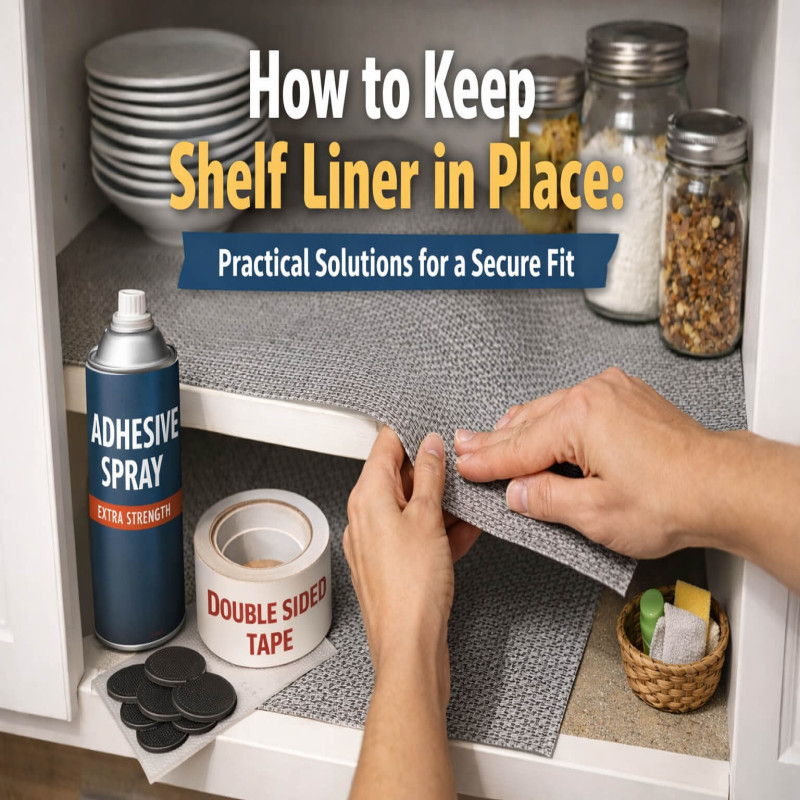
Shelf liners play an essential role in protecting surfaces, adding aesthetic appeal, and ensuring that stored items remain in place. However, one common frustration with shelf liners is their tendency to shift over time, leading to unnecessary adjustments and potential clutter. Securing shelf liners effectively can improve organization, enhance functionality, and extend the lifespan of your shelving surfaces. This guide explores practical, long-lasting solutions to keep shelf liners firmly in place while maintaining a neat and professional appearance.
Key Takeaways
- Choosing the right shelf liner material is crucial for preventing movement.
- Adhesive options can provide additional security for high-traffic shelves.
- Friction-based and weight-based techniques offer non-permanent solutions.
- Regular maintenance ensures longevity and optimal performance.
Supplies Needed
To successfully secure a shelf liner, you may need the following materials:
- Non-slip shelf liner (rubber, foam, or vinyl)
- Double-sided tape or adhesive strips
- Shelf liner with grip backing
- Velcro strips or hook-and-loop fasteners
- Clear caulk or rubber cement for permanent application
- Scissors or utility knife for precise cutting
- Measuring tape for accurate sizing
Choosing the Right Shelf Liner for Stability
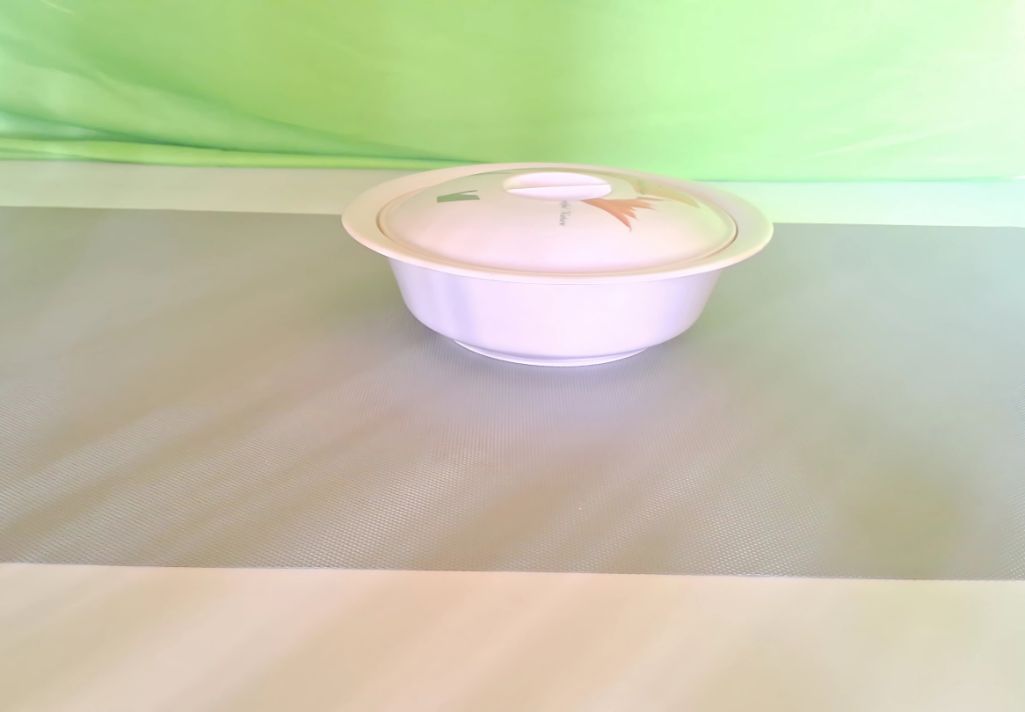
The type of shelf liner you choose significantly impacts how well it stays in place. Shelf liners come in various materials, including rubber, foam, vinyl, and plastic. Each material has unique properties that influence its grip and stability. Rubber and foam liners offer superior traction, making them ideal for preventing movement. Vinyl liners, while more durable and easier to clean, may require additional securing methods to prevent shifting.
When selecting a shelf liner, it is important to consider factors such as the weight of stored items, the type of surface the liner will be placed on, and the level of traction required. Some liners come with built-in grip backing, reducing the need for extra adhesives. Additionally, thicker liners tend to stay in place more effectively than thinner ones, which can roll or wrinkle over time.
Using Adhesive Solutions for a Firm Hold
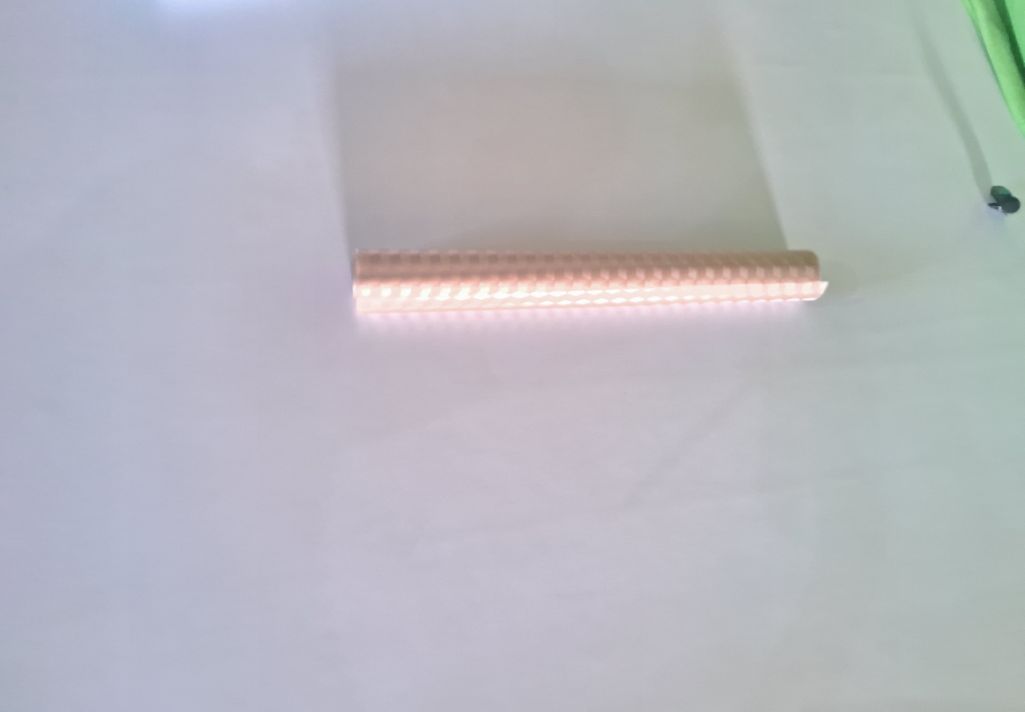
For individuals seeking a more secure and long-term solution, adhesives provide an effective way to keep shelf liners in place. Double-sided tape is a simple yet effective option that prevents liners from shifting while allowing for easy removal when necessary. Adhesive strips or rubber cement can also be used to achieve a stronger hold, particularly in areas with heavy foot traffic or frequent item movement.
Applying adhesives requires precision to ensure a smooth and wrinkle-free surface. Before affixing the liner, it is important to clean the shelf thoroughly to remove dust and debris. Once applied, pressing down firmly on the liner ensures maximum adhesion. If opting for a permanent solution, clear caulk can be applied along the edges of the liner to create a seamless and non-slip fit.
Leveraging Friction-Based Methods for Non-Permanent Security
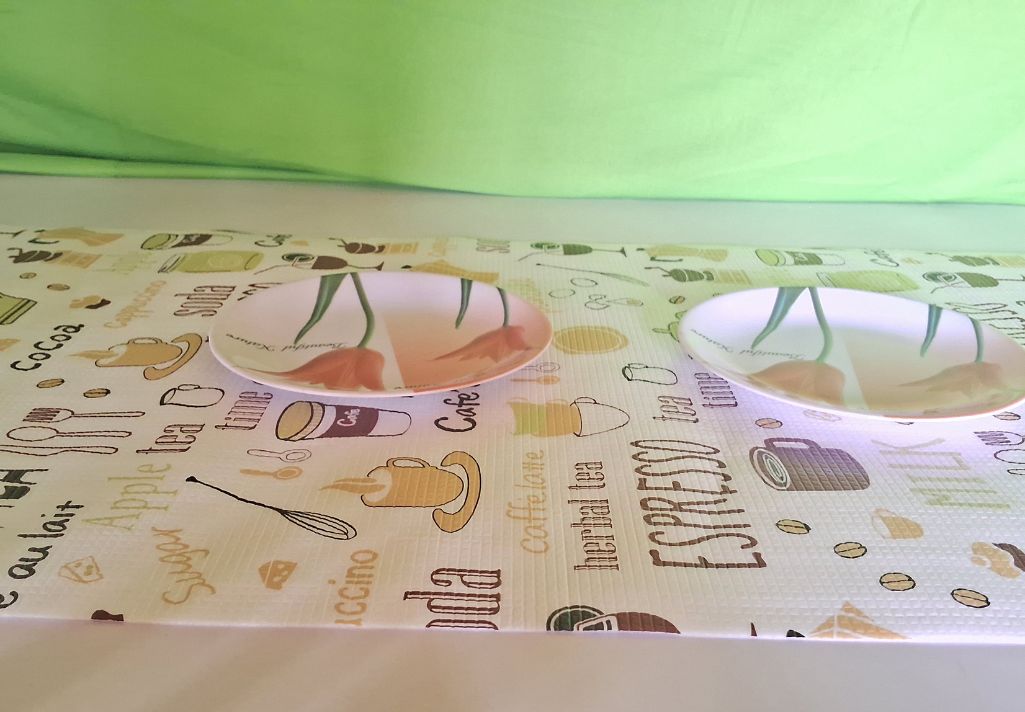
For those who prefer non-permanent solutions, friction-based techniques can be highly effective. Shelf liners with a textured or rubberized surface naturally create resistance against movement, reducing the likelihood of shifting. Additionally, placing heavier objects along the edges of the liner can help anchor it in place without the need for adhesives.
Another friction-based approach involves using Velcro strips. By attaching one side of the Velcro to the liner and the other to the shelf surface, a secure hold is achieved while still allowing for easy removal. This method works particularly well for wire shelving, where traditional adhesives may not be as effective.
Preventing Curling and Wrinkling for a Smooth Surface
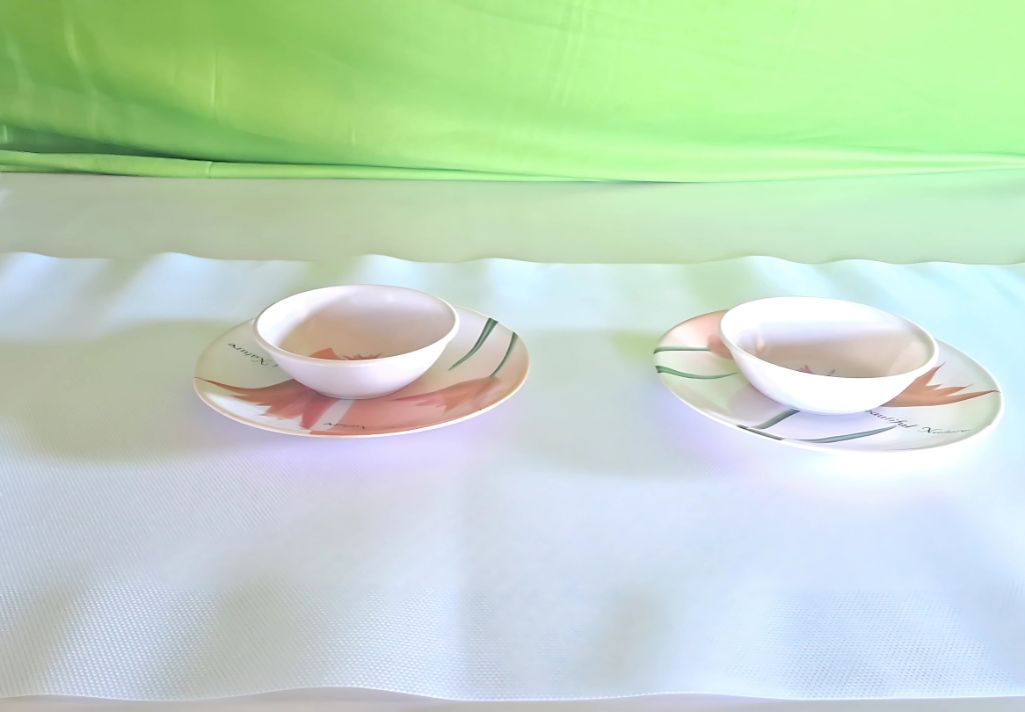
One of the most common issues with shelf liners is curling at the edges, which can lead to instability and an uneven surface. To prevent curling, it is advisable to unroll the liner and allow it to flatten before installation. Placing heavy objects on top of the liner for several hours can help eliminate stubborn curls.
Trimming the liner to fit the exact dimensions of the shelf reduces the chances of excess material bunching up or curling at the edges. Additionally, lightly heating the liner with a hairdryer can soften the material, making it more pliable and easier to install smoothly.
Maintaining Shelf Liners for Long-Term Use

Regular maintenance ensures that shelf liners remain effective and secure over time. Cleaning the liner periodically prevents dust and debris buildup, which can reduce traction. Depending on the material, shelf liners can be wiped down with a damp cloth or removed for thorough washing.
Checking for signs of wear and tear is equally important. Over time, adhesive strips may lose their effectiveness, requiring replacement. If a liner begins to shift frequently, reevaluating the securing method and making necessary adjustments will help maintain a stable and functional surface.
Conclusion
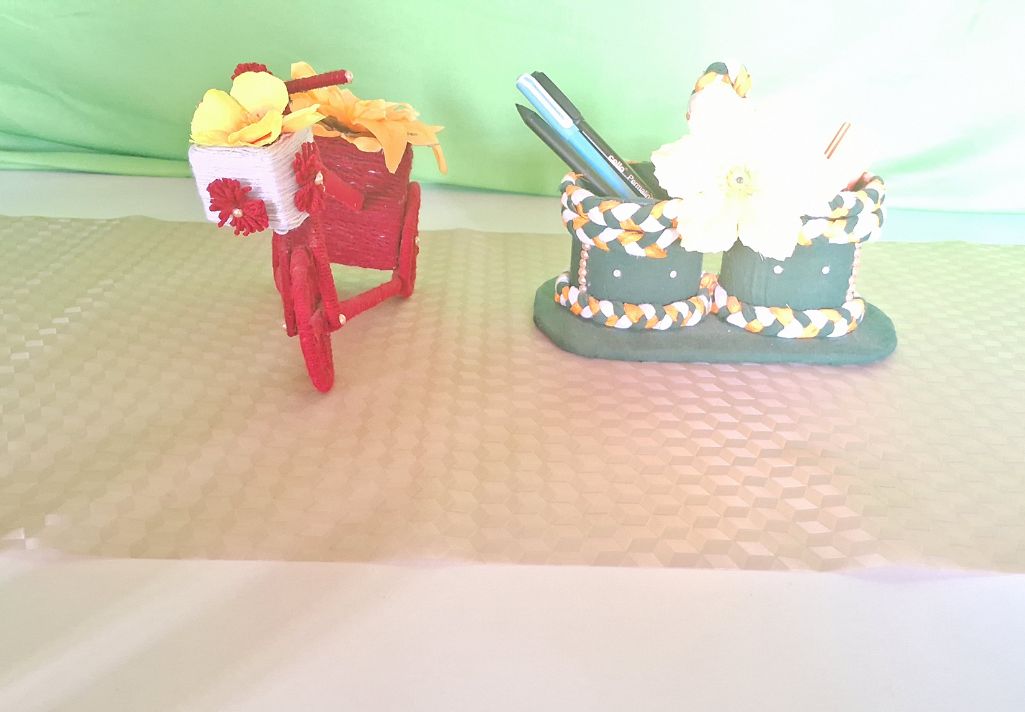
A well-secured shelf liner not only enhances organization but also protects shelving surfaces from damage and spills. By selecting the right material, applying effective securing methods, and maintaining the liner properly, a stable and long-lasting fit can be achieved. Whether opting for adhesives, friction-based techniques, or a combination of both, these strategies provide practical solutions for keeping shelf liners in place, ensuring a neat and well-structured storage space.
Meet Your Guide

Go Soundproof Team
The Go Soundproof Team is a group of soundproofing enthusiasts and product testers dedicated to helping you create quieter, more peaceful spaces. We review and test the latest quiet appliances and noise-reducing solutions to provide honest, expert advice you can trust.