


A well-organized storage space can transform the functionality of any home, and installing shelf liner is one of the simplest yet most effective ways to maintain cleanliness and protect surfaces. Whether you are lining kitchen cabinets, bathroom shelves, or a pantry, the right shelf liner can help prevent scratches, spills, and general wear and tear. This guide will walk you through the process of installing shelf liner with precision and ease, ensuring a seamless and practical result.
Key Takeaways
- Shelf liners protect surfaces from damage and spills.
- Choosing the right material enhances durability and ease of maintenance.
- Proper measurements and cutting techniques ensure a neat fit.
- Securing the liner correctly prevents shifting and enhances longevity.
Supplies Needed
Before starting the installation process, gathering the necessary supplies ensures efficiency and accuracy. Here is a list of essential tools and materials required:
- Shelf liner of choice (vinyl, adhesive, non-adhesive, or cork)
- Measuring tape
- Scissors or utility knife
- Ruler or straight edge
- Pencil or chalk for marking
- Cleaning cloth and mild detergent
Choosing the Right Shelf Liner
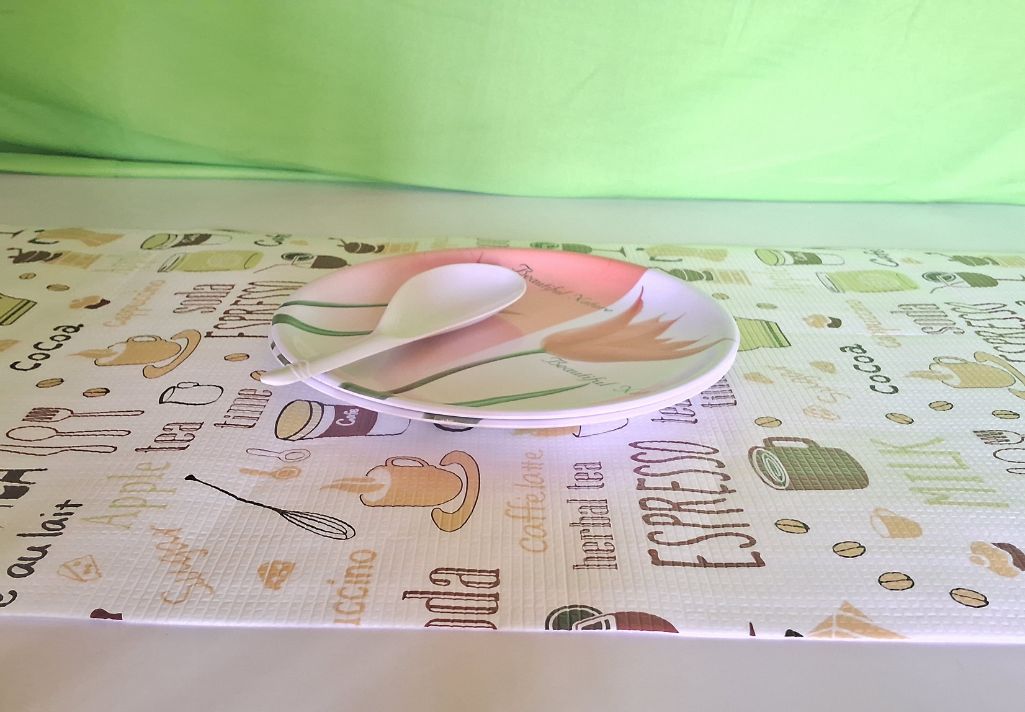
Selecting the appropriate shelf liner depends on the intended use and the surface being covered. Vinyl liners offer waterproof protection and easy cleaning, making them ideal for kitchen and bathroom cabinets. Adhesive liners provide a more permanent solution, ensuring a secure fit but requiring careful application. Non-adhesive liners are versatile and easy to replace, while cork liners offer a soft and eco-friendly alternative for delicate items. Considering the benefits of each type will help in making an informed decision.
Preparing the Surface for Installation
A clean and dry surface is crucial for effective liner application. Begin by removing all items from the shelves and wiping them down with a mild detergent solution. Allow the shelves to dry completely before proceeding. This step ensures that dirt, dust, and moisture do not interfere with the adhesion or placement of the liner. For wooden or painted surfaces, a light sanding can help improve liner grip and longevity.
Measuring and Cutting the Shelf Liner

Accurate measurements are key to a precise fit. Use a measuring tape to determine the dimensions of each shelf, noting any curves or irregular edges. Transfer these measurements onto the liner and mark cutting lines using a ruler and pencil. A sharp pair of scissors or a utility knife will ensure clean and even cuts. Cutting slightly larger than the measured dimensions allows for minor adjustments during installation.
Applying the Shelf Liner
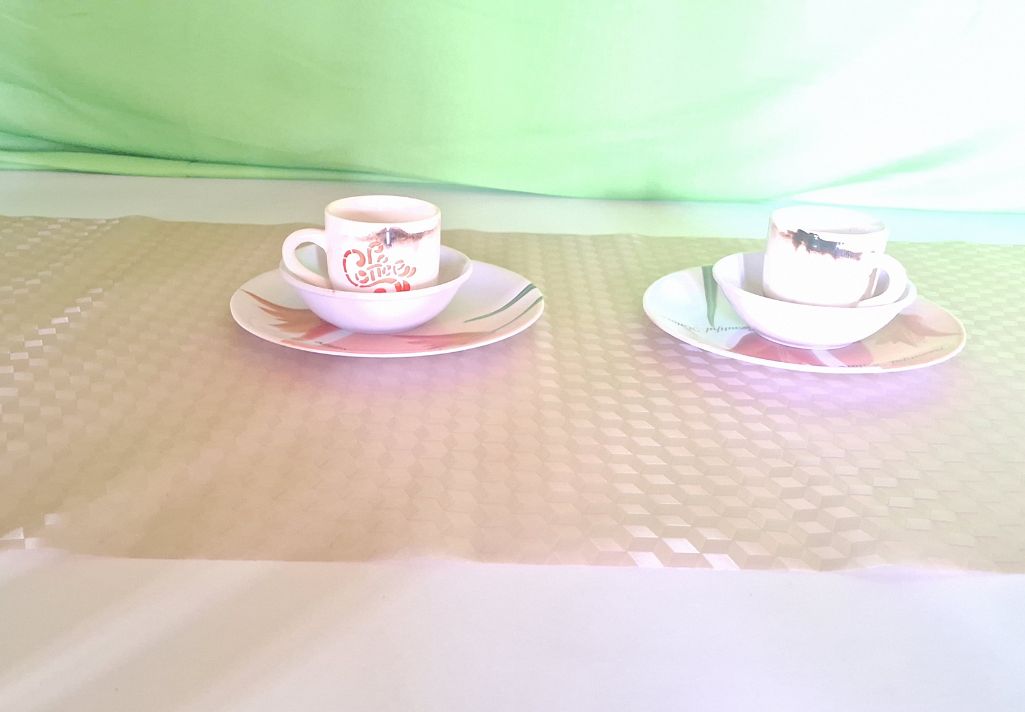
For adhesive liners, start peeling off a small section of the backing and align the liner with the shelf edge. Gradually press down while removing the backing, smoothing out air bubbles using a ruler or your hand. For non-adhesive liners, simply lay the liner in place and press it down to secure it. If needed, use double-sided tape at the corners to prevent shifting. Ensuring a tight and smooth application enhances both appearance and functionality.
Securing the Liner for Longevity
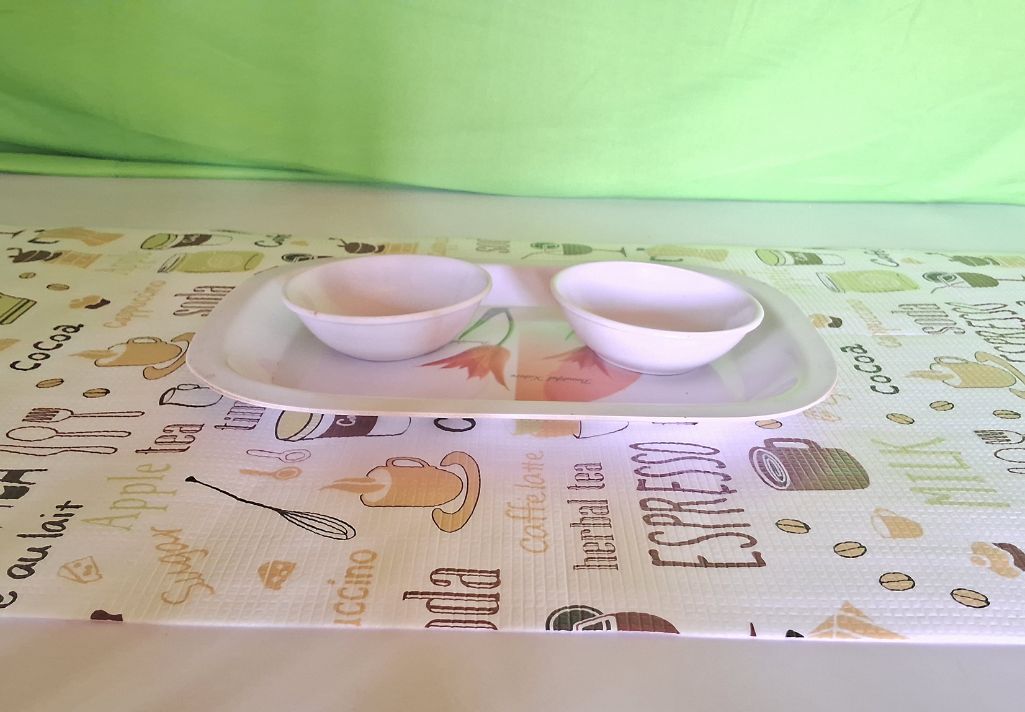
To prevent movement and curling at the edges, consider reinforcing the liner with a small amount of adhesive or double-sided tape. For wire shelving, clips or zip ties can be used to hold the liner in place. Regularly checking for any shifting or wear ensures that the liner remains effective in protecting surfaces and maintaining cleanliness.
Maintaining and Cleaning Shelf Liners
Regular maintenance extends the life of shelf liners and keeps storage areas hygienic. Non-adhesive liners can be removed and washed with mild soap and water, while adhesive liners can be wiped clean with a damp cloth. Replacing liners periodically helps prevent buildup of dirt and moisture, ensuring a fresh and tidy space.
Conclusion
Installing shelf liner is a simple yet impactful step toward an organized and protected storage space. By choosing the right material, measuring accurately, and applying with care, anyone can achieve a neat and functional setup. With proper maintenance, shelf liners can enhance both the aesthetics and longevity of shelves, making them a worthwhile addition to any home.
Meet Your Guide

Go Soundproof Team
The Go Soundproof Team is a group of soundproofing enthusiasts and product testers dedicated to helping you create quieter, more peaceful spaces. We review and test the latest quiet appliances and noise-reducing solutions to provide honest, expert advice you can trust.