

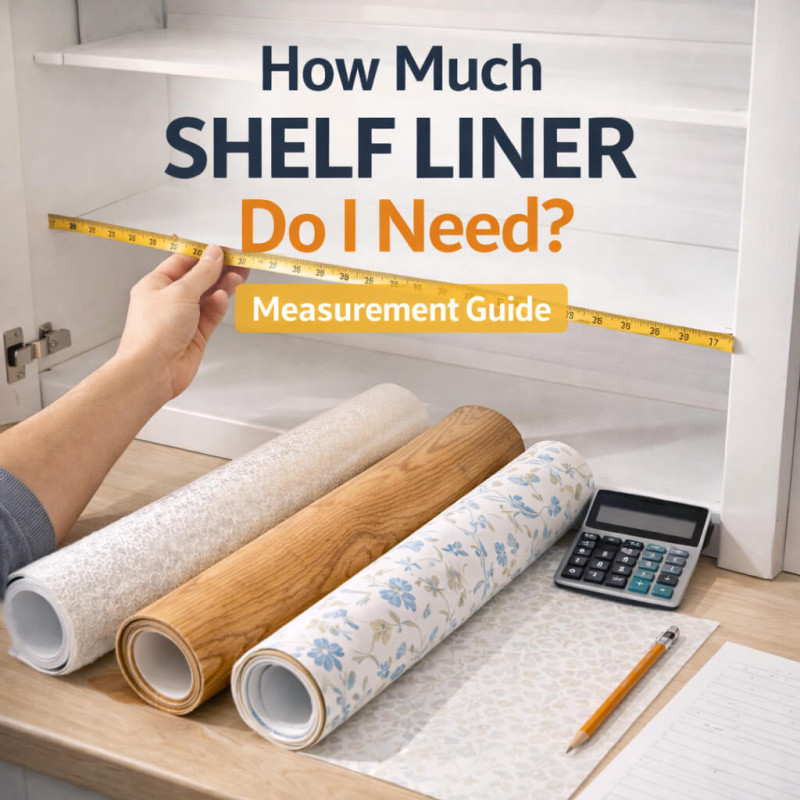
Shelf liners play an essential role in protecting surfaces, preventing spills, and adding aesthetic appeal to cabinets, drawers, and pantries. However, determining the right amount of liner to purchase can be challenging. Measuring incorrectly could lead to waste or insufficient coverage. This guide provides step-by-step instructions on how to accurately measure and calculate the amount of shelf liner needed for your specific space.
Key Takeaways
- Proper measurements are crucial for avoiding material waste.
- Understanding liner dimensions helps in making an informed purchase.
- Factors such as shelf size, liner type, and overlap considerations impact quantity.
Supplies Needed
Before starting the measurement process, gather the following items:
- Measuring tape
- Notepad and pen
- Scissors or utility knife
- Calculator (for quick calculations)
Understanding Shelf Liner Dimensions
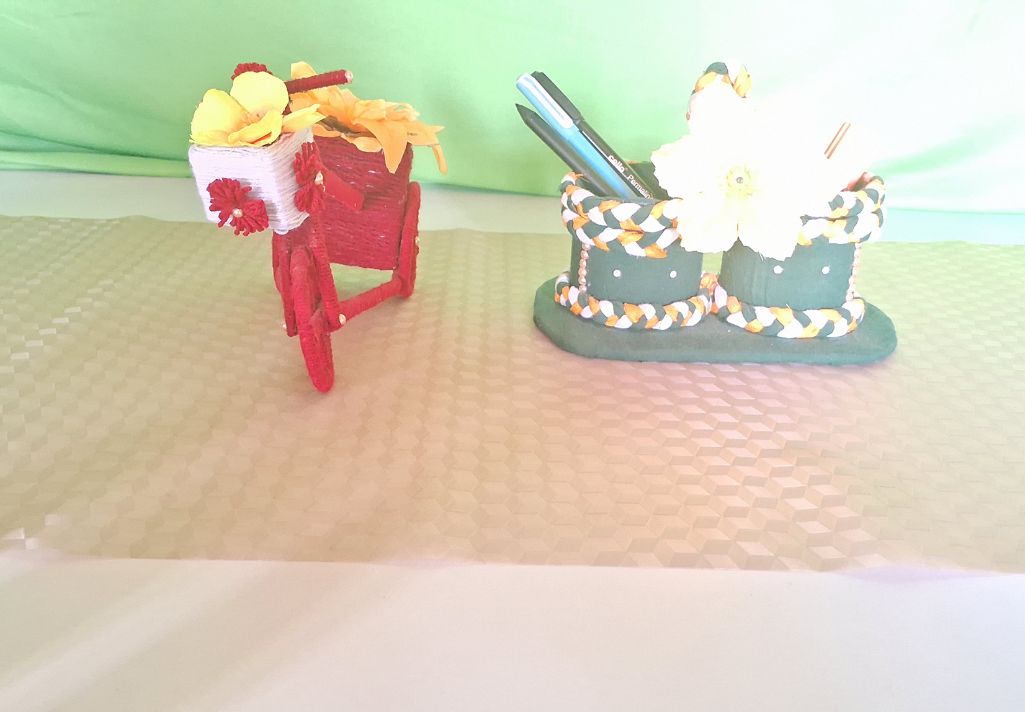
Shelf liners come in various widths and lengths, making it essential to choose the right size. Standard liners typically range from 12 to 24 inches in width and are available in rolls measuring 10 to 20 feet in length. Selecting a liner that closely matches your shelf width can minimize cutting and waste.
Measuring Your Shelves Accurately
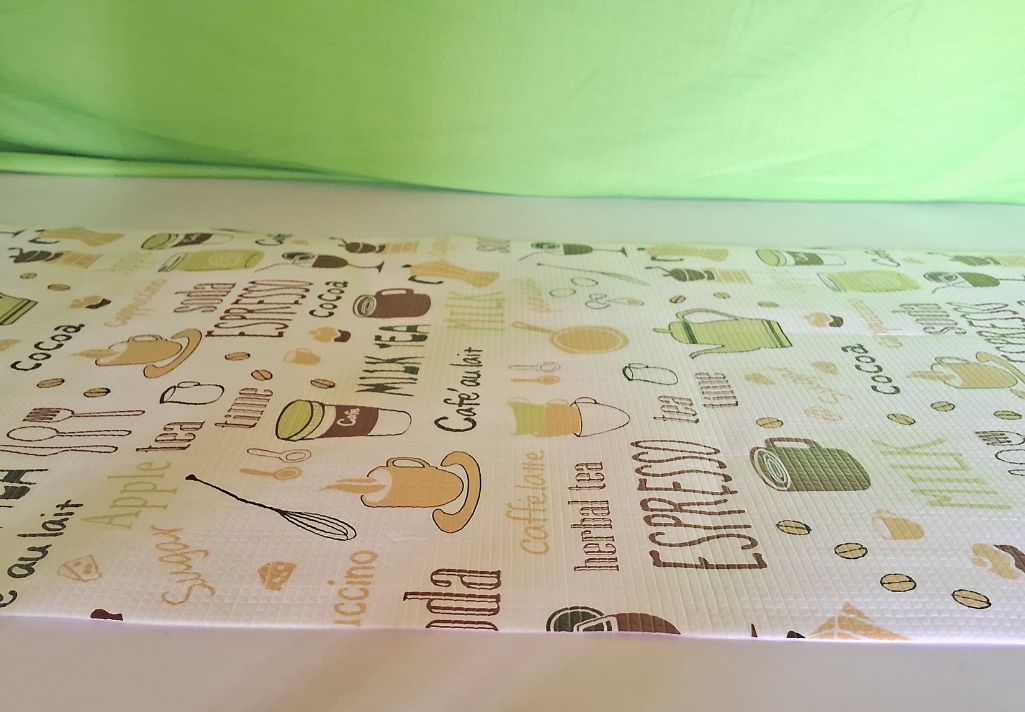
To determine the amount of liner needed, follow these steps:
- Measure the depth (front to back) of each shelf.
- Measure the width (left to right) of each shelf.
- Multiply the depth by the width to get the total surface area for each shelf.
- Add up the total area for all shelves requiring a liner.
Example
- Shelf 1: 12 inches (depth) x 24 inches (width) = 288 square inches
- Shelf 2: 12 inches (depth) x 36 inches (width) = 432 square inches
- Total: 720 square inches
Accounting for Overlaps and Cutting Allowances
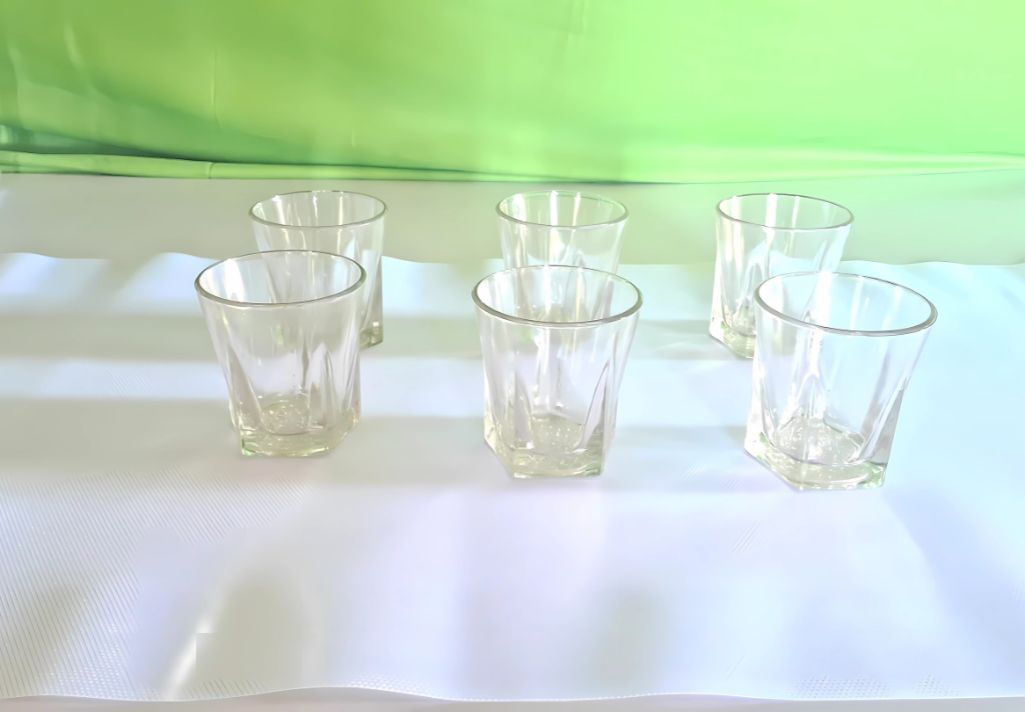
When cutting liner pieces, it is essential to factor in an extra inch or two for trimming and adjustments. Overlapping edges can also provide better surface protection and prevent shifting.
Choosing the Right Liner Material
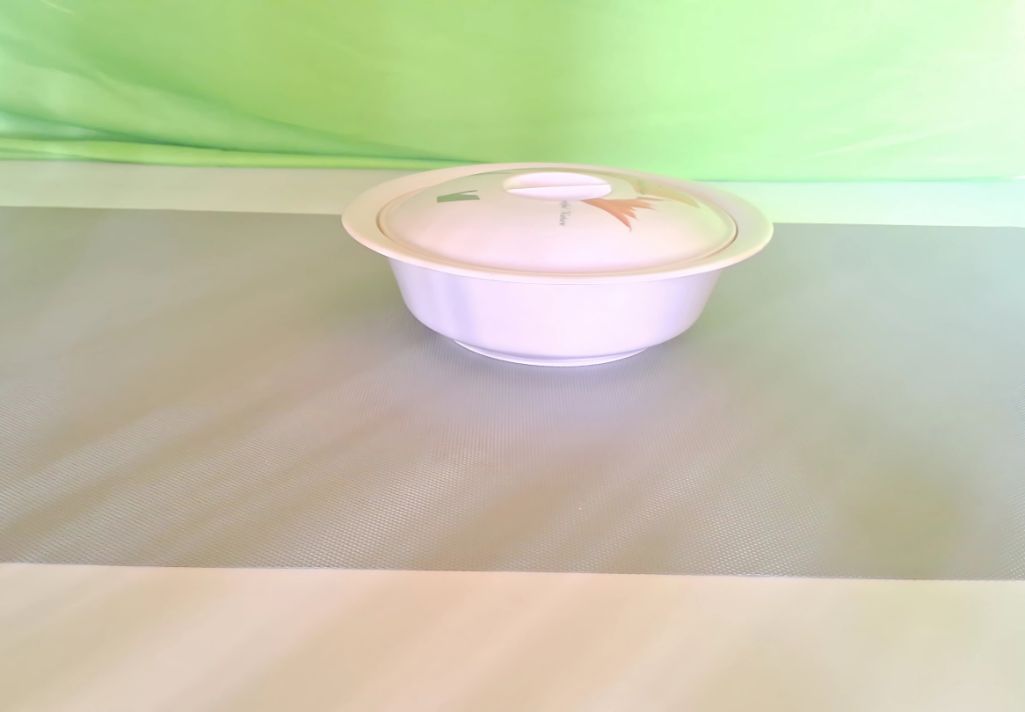
Different liner materials, such as adhesive, non-adhesive, and cushioned liners, can affect the required quantity. Adhesive liners require precise cutting, while cushioned liners may need additional material for a snug fit.
Purchasing the Correct Amount of Shelf Liner
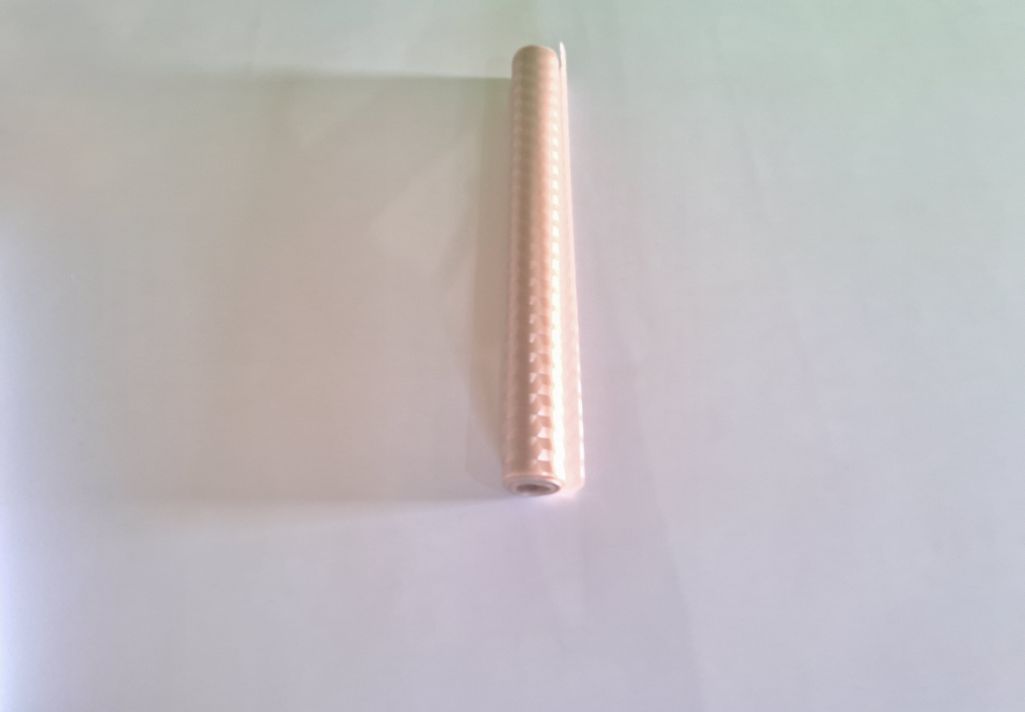
Once the total surface area is determined, compare it to the liner roll dimensions to decide how many rolls are needed. If the liner roll is measured in feet, convert the total inches into feet (1 foot = 12 inches) to make an accurate comparison.
Cutting and Installing the Liner
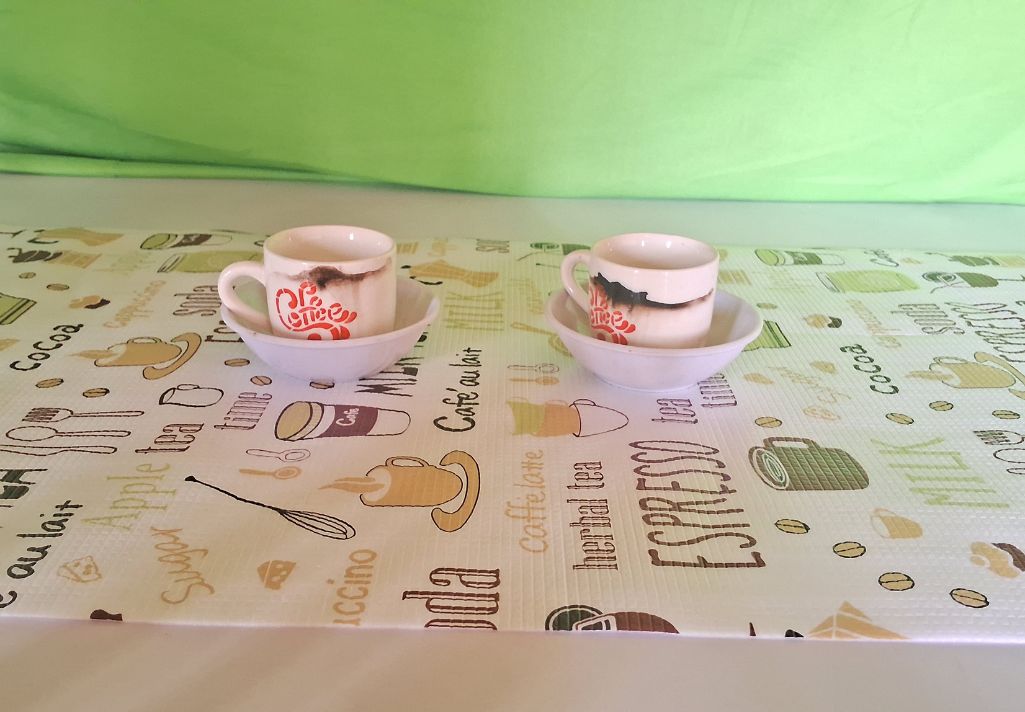
After purchasing the right amount of liner, cut each piece according to your shelf dimensions. Smooth out any air bubbles and ensure the liner fits securely.
Final Considerations
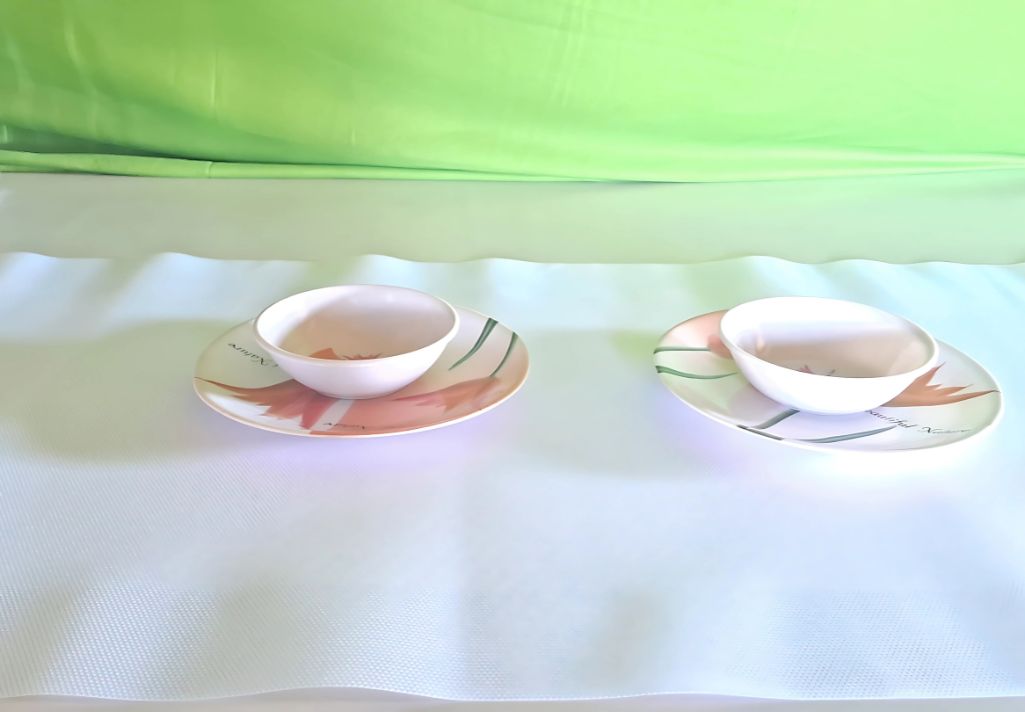
Always buy a little extra liner to accommodate errors or future replacements. Keeping a small surplus ensures consistency in design if additional areas need lining later.
By following these guidelines, you can efficiently determine how much shelf liner you need, reducing waste while ensuring full coverage for your storage areas.
Meet Your Guide

Go Soundproof Team
The Go Soundproof Team is a group of soundproofing enthusiasts and product testers dedicated to helping you create quieter, more peaceful spaces. We review and test the latest quiet appliances and noise-reducing solutions to provide honest, expert advice you can trust.