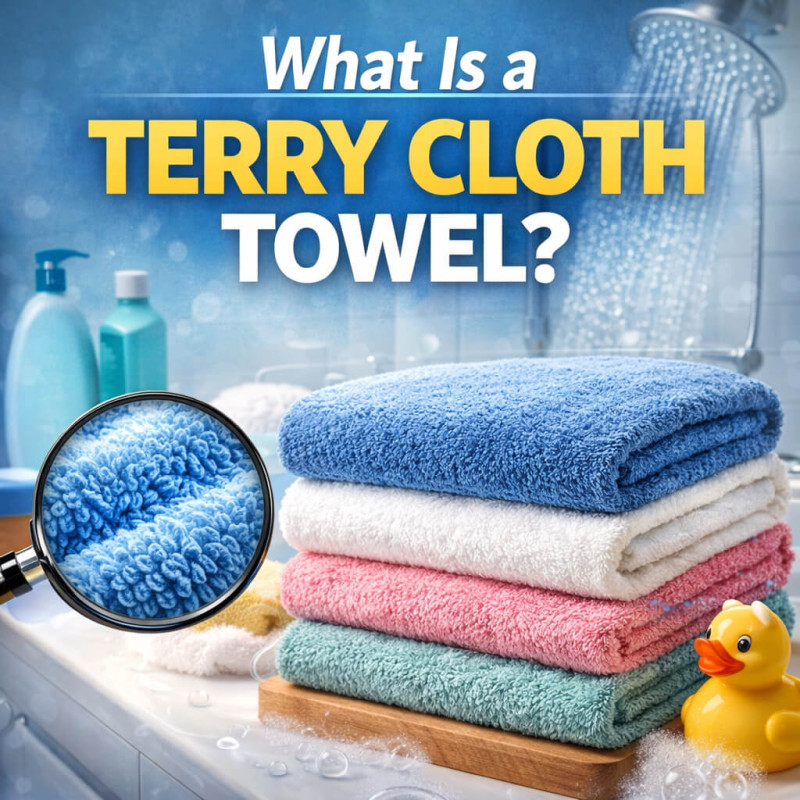


Laundry day often brings up a common dilemma: can towels be washed together with clothes? This question stirs debate among homemakers and laundry experts alike. Towels, known for their thick, absorbent fabric, require different washing conditions than most clothing items. Mixing them incorrectly can lead to fabric damage, hygiene concerns, and ineffective cleaning.
Key Takeaways
- Washing towels with clothes can pose hygiene risks and fabric damage.
- Fabric type, color, and detergent selection play a critical role.
- Proper techniques help maintain clothing and towel longevity.
The Science Behind Washing Towels and Clothes Together
Towels are designed to absorb moisture efficiently, making them prone to holding onto bacteria and detergent residues. Unlike regular clothing, they require hotter water and longer drying times. Washing them together with delicate fabrics or garments with zippers can lead to cross-contamination, lint transfer, and compromised cleanliness.
How Fabric Type Influences Washing Compatibility
Understanding fabric composition is essential for maintaining garment quality. Towels, often made from cotton or microfiber, shed lint and require a robust wash cycle. Lightweight fabrics like silk, polyester, or spandex react poorly to towel fibers, leading to pilling and fabric degradation. Separating heavy and delicate fabrics ensures optimal cleanliness and longevity.
The Role of Water Temperature in Laundry Efficiency
Water temperature significantly impacts cleaning efficiency. Towels require warm to hot water for thorough disinfection, while many clothing items retain their quality best in cold water. Washing both together may compromise the cleaning process, as certain detergents activate differently at varying temperatures, reducing their effectiveness.
Impact of Detergents and Fabric Softeners
Choosing the right detergent is crucial when dealing with mixed laundry loads. Towels require strong, residue-free detergents to maintain their absorbency, while clothing benefits from gentler formulations. Fabric softeners, although beneficial for clothes, reduce the absorbency of towels. Using mild, eco-friendly detergents ensures both towels and clothes remain fresh and functional.
Hygiene Concerns: Bacteria and Cross-Contamination
Bacteria thrive in damp, warm environments, making towels a breeding ground for germs. Mixing them with clothes can transfer bacteria, leading to skin irritation and odor retention. Separating towels from undergarments and activewear prevents the spread of unwanted germs, maintaining better hygiene standards.
Lint Issues and How to Prevent Them
Lint transfer is one of the most frustrating aspects of washing towels with clothes. Towels shed fibers that stick to synthetic fabrics, dulling their appearance. Using a lint-catching laundry bag, washing towels separately, or utilizing an extra rinse cycle minimizes this issue, keeping clothes looking their best.
Color Bleeding and Sorting Strategies
Sorting laundry by color prevents unwanted dye transfer. New towels, especially dark-colored ones, tend to release excess dye during the first few washes. Mixing them with light-colored garments risks discoloration. Washing towels separately for the first few cycles or using color-catching sheets helps maintain the original color of all laundry items.
Drying Differences: Why Towels Take Longer
Towels retain more moisture than standard clothing, requiring longer drying times. Mixing them with clothes can result in uneven drying, leaving some garments damp while others overdry. Using separate drying cycles or adjusting settings ensures each fabric type receives proper care, preventing shrinkage and fabric damage.
Energy Efficiency: Saving Time and Resources
While separating towels and clothes may seem inconvenient, it improves energy efficiency in the long run. Towels need longer drying times and higher water temperatures, increasing energy consumption when mixed with delicate clothing. Organizing laundry loads based on fabric needs optimizes washing machine and dryer efficiency, reducing wear and tear on garments.
Best Practices for Washing Towels and Clothes Together
If washing towels with clothes is unavoidable, certain measures can help. Using a high-quality detergent, adjusting the washing cycle, and ensuring color compatibility can reduce risks. Selecting shorter drying times and using lower heat settings prevent excessive wear on clothes, balancing convenience and efficiency.
Conclusion
Washing towels with clothes requires careful consideration of fabric types, water temperature, and detergent choices. While occasional mixing may not cause significant issues, consistent separation enhances hygiene, prevents fabric damage, and extends the lifespan of both towels and garments. By following proper laundry practices, maintaining fresh, clean clothes and towels becomes effortless.
Meet Your Guide

Go Soundproof Team
The Go Soundproof Team is a group of soundproofing enthusiasts and product testers dedicated to helping you create quieter, more peaceful spaces. We review and test the latest quiet appliances and noise-reducing solutions to provide honest, expert advice you can trust.