
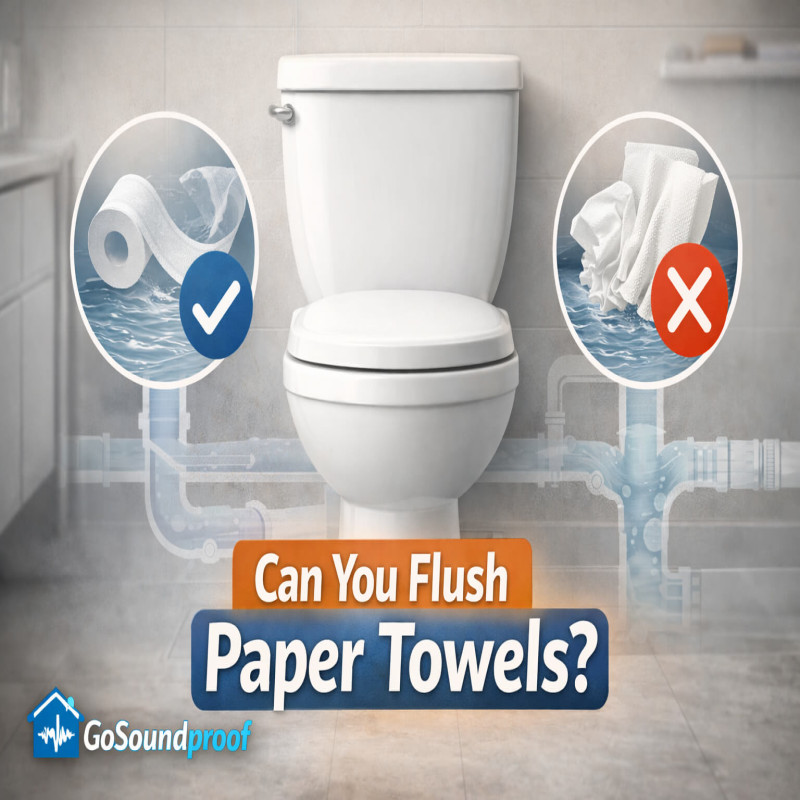
Flushing toilet paper is an everyday habit, but what about paper towels? While they may seem similar, their structure and composition make them unsuitable for flushing. Many people unknowingly dispose of paper towels in toilets, leading to potential plumbing disasters. This article explores why flushing paper towels is problematic, how it affects plumbing systems and the environment, and what alternatives you can use to dispose of them properly.
Key Takeaways
- Paper towels are not designed to break down like toilet paper.
- Flushing them can cause clogs and expensive plumbing repairs.
- Municipal sewage systems and septic tanks can suffer severe damage.
- Eco-friendly alternatives exist for disposing of used paper towels responsibly.
The Science Behind Paper Towels and Their Composition
Paper towels are engineered for absorbency and durability, unlike toilet paper, which is designed to disintegrate quickly in water. They are manufactured with high-density fibers that allow them to retain moisture without breaking apart. This resilience makes them perfect for cleaning spills but highly unsuitable for plumbing systems.
Unlike toilet paper, which dissolves in water within minutes, paper towels remain intact for extended periods, leading to blockages in pipes and sewage systems. Manufacturers use adhesives and strengthening agents to enhance their durability, further reducing their ability to break down in water. As a result, flushing them down the toilet can create obstructions that lead to costly plumbing emergencies.
The Impact on Home Plumbing Systems
One of the most immediate risks of flushing paper towels is the likelihood of clogging household plumbing. Unlike toilet paper, which disintegrates quickly upon contact with water, paper towels maintain their structure and accumulate in pipes. Over time, these blockages can cause slow drainage, backups, and complete pipe obstructions.
Homeowners who experience recurring plumbing issues may unknowingly be dealing with a buildup of non-flushable materials. Plumbers often report paper towel clogs as one of the most common reasons for emergency repairs. If left unaddressed, these obstructions can lead to pipe damage, leaks, and expensive restoration work.
The Effect on Municipal Sewer Systems
Beyond individual households, the improper disposal of paper towels has significant consequences for municipal sewer systems. Cities and towns process enormous volumes of wastewater daily, and non-dissolvable materials like paper towels place an additional burden on treatment facilities. When flushed, they contribute to sewer blockages, requiring maintenance crews to remove the obstructions manually.
In severe cases, accumulated paper towels can lead to sewage overflows, causing environmental contamination. Municipalities must invest in expensive equipment and labor to mitigate these issues, increasing costs for taxpayers. By properly disposing of paper towels, individuals can play a role in preventing unnecessary damage to public infrastructure.
Environmental Consequences of Flushing Paper Towels
Flushing paper towels has detrimental environmental impacts beyond plumbing and sewage system damage. Unlike biodegradable toilet paper, which dissolves naturally in water, paper towels persist in sewer systems, sometimes making their way into waterways. This pollution poses risks to aquatic ecosystems, harming marine life and contributing to environmental degradation.
Additionally, the increased strain on wastewater treatment facilities leads to higher energy consumption and resource depletion. As the world moves toward more sustainable practices, reducing unnecessary waste and adopting responsible disposal methods for paper towels is crucial.
Septic Tanks and the Long-Term Effects of Paper Towels
Septic systems rely on natural bacteria to break down organic matter efficiently. Introducing non-biodegradable items, such as paper towels, disrupts this balance, leading to system failures. Unlike toilet paper, which decomposes within a septic tank, paper towels accumulate and form clogs that impede the system's functionality.
Homeowners using septic systems must be particularly cautious about what they flush, as repairs and replacements can be costly. Regular septic maintenance is essential, but preventing the disposal of non-flushable materials is the most effective way to maintain system integrity.
Alternatives to Flushing Paper Towels
Instead of flushing paper towels, several disposal methods can help prevent plumbing and environmental issues. The most straightforward approach is to discard used paper towels in a trash bin. If concerned about waste production, consider switching to reusable cloth towels that can be washed and reused. Composting is another viable option for unsoiled paper towels, as they can break down naturally in composting environments.
Some municipalities also offer organic waste collection services, which accept compostable materials, including certain paper products. By adopting responsible disposal habits, individuals can significantly reduce their ecological footprint while maintaining a functional plumbing system.
The Role of Public Awareness and Education
Many plumbing emergencies result from a lack of awareness regarding proper disposal practices. Educating individuals about the consequences of flushing paper towels can prevent costly repairs and environmental damage. Public restrooms, schools, workplaces, and other communal spaces can benefit from clear signage that instructs users on proper disposal methods.
Additionally, plumbing professionals and environmental organizations can collaborate on awareness campaigns to inform the public about the dangers of flushing non-dissolvable materials. Increased awareness can lead to behavioral changes that contribute to more sustainable waste management practices.
Conclusion
Flushing paper towels may seem harmless, but the long-term consequences tell a different story. Their durable composition makes them unsuitable for plumbing systems, leading to clogs, sewage backups, and environmental pollution. Homeowners, businesses, and municipalities can all benefit from responsible disposal practices that prevent unnecessary damage. By using trash bins, composting, or switching to reusable alternatives, individuals can make a positive impact on both their plumbing and the environment. Understanding the risks and making informed choices will help ensure a cleaner, more sustainable future for all.
Meet Your Guide

Go Soundproof Team
The Go Soundproof Team is a group of soundproofing enthusiasts and product testers dedicated to helping you create quieter, more peaceful spaces. We review and test the latest quiet appliances and noise-reducing solutions to provide honest, expert advice you can trust.