

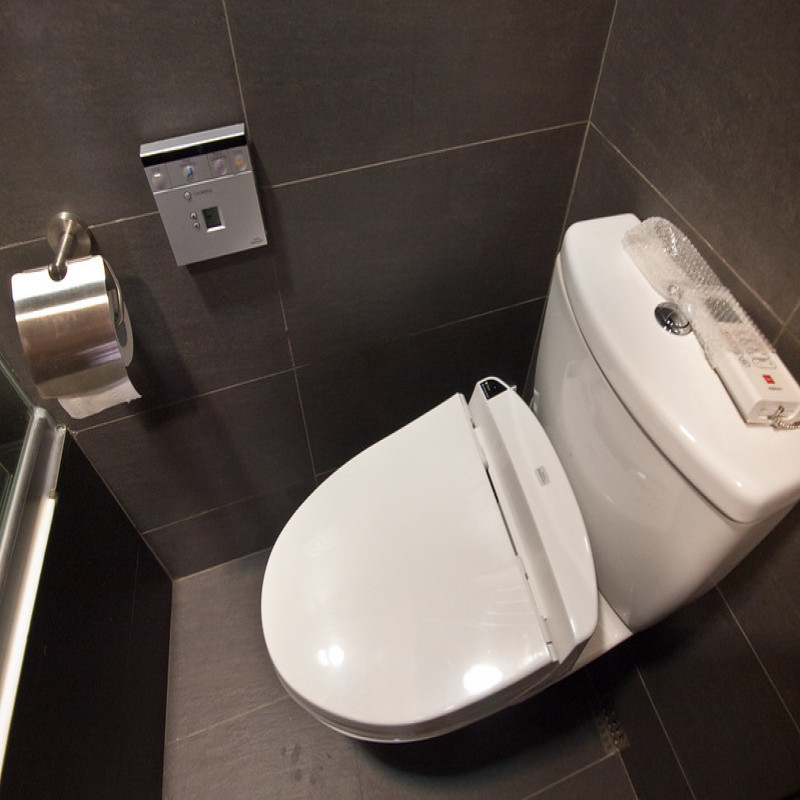
Smart toilets are becoming a popular addition to modern homes, offering advanced technology and innovative features to enhance comfort and hygiene. As their adoption grows, many people wonder: are smart toilets worth the investment? In this article, we’ll delve into their benefits, potential drawbacks, and factors to consider before deciding to make the switch.
What Are Smart Toilets?
Smart toilets are advanced bathroom fixtures equipped with innovative features like automatic flushing, bidet functions, heated seats, and touchless controls. Some models even integrate with smart home systems, allowing users to control settings via smartphone apps or voice commands.
Benefits of Smart Toilets
Enhanced Hygiene
Smart toilets often include features such as self-cleaning bowls and bidet functionalities. These reduce the reliance on toilet paper, promoting better hygiene and environmental sustainability. The bidet feature provides a gentle and thorough cleaning, which many users find more sanitary.
Comfort Features
Smart toilets come with heated seats, customizable water temperature, and pressure settings, ensuring maximum comfort during use. Night lights and deodorizing systems are also common, making the bathroom experience more pleasant.
Water Efficiency
Advanced flushing mechanisms in smart toilets use less water compared to traditional models. Dual-flush systems allow users to choose between a full or partial flush, conserving water and reducing utility bills.
Health Monitoring
Some high-end models can monitor users' health metrics, such as hydration levels and body temperature, providing valuable insights into their well-being.
Drawbacks of Smart Toilets
High Cost
Smart toilets are significantly more expensive than standard models. Initial purchase and installation costs can be a barrier for many homeowners.
Maintenance and Repairs
With advanced technology comes the potential for malfunctions. Maintenance and repairs for smart toilets can be complex and costly, especially if specialized parts are required.
Power Dependency
Smart toilets require electricity to operate their features, which means they won’t function fully during power outages unless a backup system is in place.
Are Smart Toilets Eco-Friendly?
While smart toilets use less water and reduce toilet paper consumption, their electronic components and power usage might offset some of these environmental benefits. It’s essential to choose energy-efficient models to maximize eco-friendliness.
Factors to Consider Before Buying a Smart Toilet
- Budget: Assess the upfront costs and long-term savings to determine if a smart toilet aligns with your budget.
- Features: Prioritize features that matter most to you, such as bidet functionality, heated seats, or remote control.
- Space: Ensure your bathroom has enough space and the necessary plumbing and electrical requirements for installation.
- Brand and Warranty: Opt for reputable brands that offer comprehensive warranties and reliable customer support.
Smart Toilet Recommendations
For those exploring smart toilet options, check out resources like [best smart toilet]. This guide offers insights into top-rated models and their features, helping you make an informed decision.
Conclusion
Smart toilets provide a luxurious and convenient bathroom experience with numerous benefits, from improved hygiene to water efficiency. However, potential buyers must weigh the costs and maintenance requirements to determine if they are the right fit for their homes. With proper research and planning, investing in a smart toilet can be a valuable addition to a modern household.
Meet Your Guide

Go Soundproof Team
The Go Soundproof Team is a group of soundproofing enthusiasts and product testers dedicated to helping you create quieter, more peaceful spaces. We review and test the latest quiet appliances and noise-reducing solutions to provide honest, expert advice you can trust.